If you’ve ever stepped into a packed Korean BBQ joint—whether it’s a sleek outlet like U Grill Korean BBQ in Los Angeles or a humble I Grill Korean BBQ & Hotpot spot in Albuquerque—you know the intoxicating pull of that sizzling meat, the haze of sesame oil smoke, and the gleam in everyone’s eyes as tongs click in synchronized anticipation.
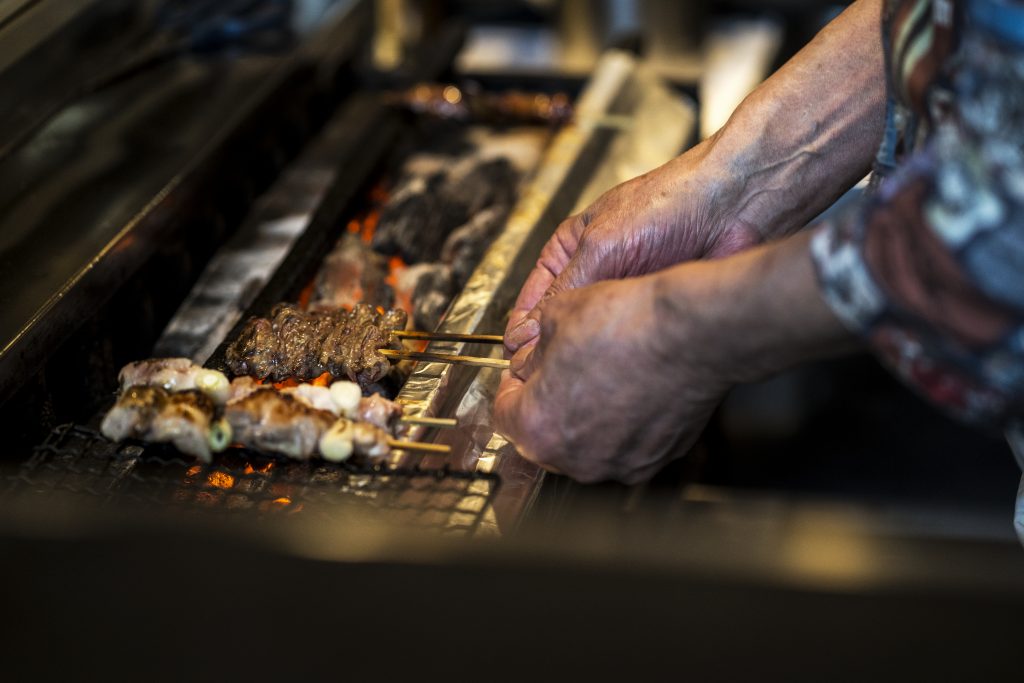
But what most diners don’t realize is that behind that communal theater lies a delicate craft: fire management, cut selection, flavor physics, and social choreography. After eight years consulting for Korean BBQ brands across Seoul, California, and Texas (yes, even I’ve helped set smoke suppression systems for a U Grill Korean BBQ menu rollout), I’ve come to see grilling Korean BBQ not as a cuisine but as a conversation—between heat, meat, and people.
This guide isn’t surface-level “tips and tricks.” It’s a professional deep dive into how Koreans—and a growing number of global enthusiasts—achieve that signature dining magic at home. And it’s written by someone who’s built those systems, tested those recipes, and occasionally ruined white shirts while chasing the perfect sizzle.
How to Grill Korean BBQ Like a Pro (Complete Beginner’s Guide)
Let’s start with a truth I’ve learned training restaurant teams from Gangnam to Glendale: 90% of great Korean BBQ isn’t flavor. It’s heat control.
In the Korean culinary world, grilling (gui) is as technical as it is social. The success of every you grill Korean BBQ experience depends on the mastery of:
- Flame Temperature Control
Korean BBQ thrives between 450°F to 600°F. That window is hot enough to trigger Maillard browning fast—but cool enough to preserve juiciness. If you overshoot it, sugar-heavy marinades burn into bitterness. - Distance from Flame
Traditional domed grills you’ll find at U Grill Korean BBQ & Hotpot Albuquerque are designed to drain excess fat and prevent flare-ups. At home, you replicate this by using a grill insert or a raised mesh grate about 3 inches above your heat source. - Rotation Rhythm
You’re not just flipping meat—you’re orchestrating intervals. The best Korean BBQ pros follow something called the “5‑20 rule”: meat rests five seconds between turns and 20 seconds cooldown per grill zone rotation.
When I trained a Korean BBQ house in Austin, we timed grill turnovers down to the second. Customers didn’t know it, but the precision was intentional: regulate rhythm, regulate flavor.
Grill Korean BBQ: Everything You Need to Know About This Flavorful Tradition
Korean BBQ began as gogi-gui—literally, “meat roast”—but it’s evolved into an art of controlled chaos. Every sizzling pork belly slice or marinated rib carries centuries of refinement underneath its convivial smoke.
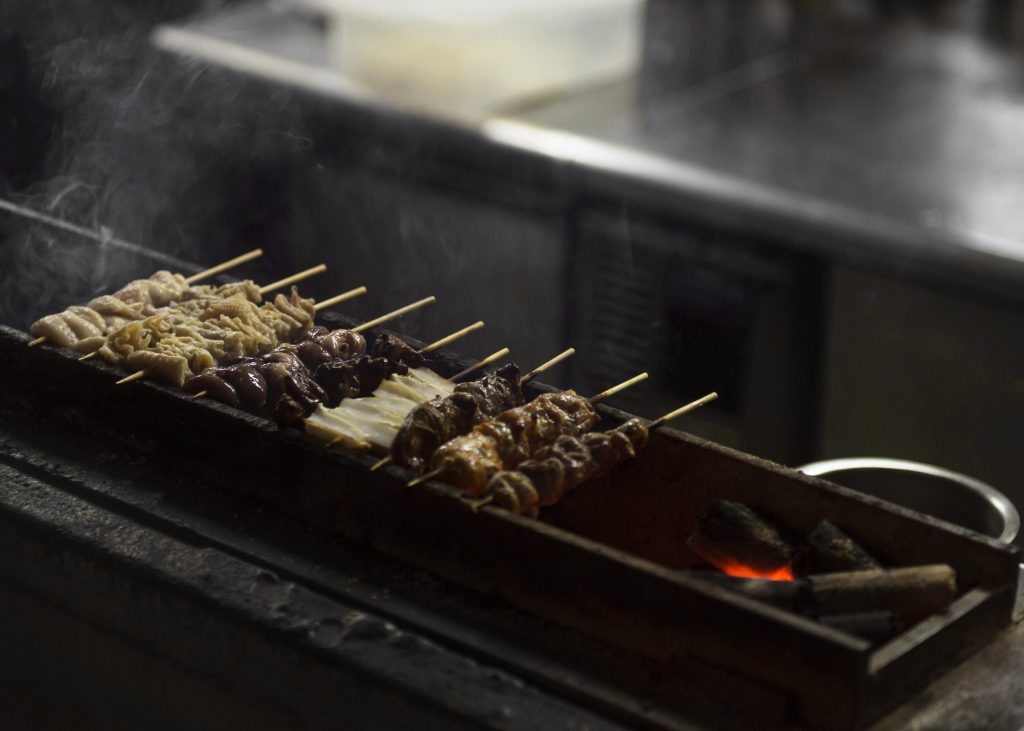
The essence of grill Korean BBQ is the balance of forces:
- Char vs. caramel — controlled burn without bitterness.
- Smoke vs. sesame — subtle aroma layering, not domination.
- Communion vs. craft — the meal’s tactile, but never sloppy.
Here’s something many forget: the grill is not just hardware. It’s a sensorial anchor. Koreans even classify restaurants by their grill fuel type:
| Grill Type | Fuel | Flavor Profile | Ideal For |
|---|---|---|---|
| Charcoal (Sutbul) | Hardwood charcoal | Deep smoke, crisp exterior | Premium beef and pork belly |
| Gas + Dome Plate | Butane gas | Clean, neutral | Indoor or urban dining |
| Infrared / Electric Plate | Electricity | Balanced browning | Apartments, smoke-sensitive areas |
In Seoul’s upscale Gangnam BBQ circles, chefs affectionately refer to quality charcoal as “black gold.” When restaurants like You Grill Korean BBQ advertise authentic “charcoal taste,” that’s not marketing fluff—the carbon density actually affects radiant heat spectrum, improving crust formation.
Step-by-Step Guide to Grill Korean BBQ at Home
You don’t need professional ventilation or imported hotpot tables to grill Korean BBQ effectively at home. You need sequencing and sensitivity.
Step 1: Set Up Your Equipment
Grab either:
- A tabletop butane grill + steel dome plate, or
- An outdoor gas grill with adjustable burners.
If using indoor grills, ventilate aggressively—char + sesame smoke is delicious but persistent.
Step 2: Choose the Right Meats
Korean BBQ isn’t one flavor—it’s a portfolio. Below is a pro’s cheat sheet I use when consulting menu design for U Grill Korean BBQ menu development teams.
| Cut | Korean Name | Ideal Prep | Flavor Profile |
|---|---|---|---|
| Beef Short Rib | Galbi | Marinated 24 hrs in pear-soy mixture | Sweet, juicy, prestige cut |
| Ribeye or Sirloin | Deungsim | Light marinade / salt dip | Buttery and tender |
| Pork Belly | Samgyeopsal | Unmarinated, thick-sliced | Fatty crisp, primal Korean favorite |
| Beef Brisket | Chadolbaegi | Paper-thin, quick sear | Smoky, light, refined |
| Chicken Thigh | Dak-gui | Spicy gochujang marinade | Spicy and caramelized |
Step 3: Control Heat Flow
Zone your grill. In Korean hotel kitchens we use three heat zones:
- High heat (sear zone) – For initial browning.
- Medium heat (continuation zone) – For cooking through without burning.
- Holding zone – Usually grill edges, for resting or warming banchan items.
Even home setups benefit from this micro‑zoning. It allows multitasking—cooking in flow instead of isolated panic.
Step 4: Banchan (Side Dish) Integration
Korean BBQ isn’t “meat-only.” A proper “you grill Korean BBQ” spread includes the orchestra of banchan, which balances richness and resets your palate.
Must‑haves:
- Kimchi (fermented spice)
- Pickled radish or cucumber
- Steamed eggs (gyeran-jjim)
- Garlic slices + sesame oil dip
Pro tip: keep your banchan chilled until plating begins. Temperature contrast amplifies enjoyment psychologically—what R&D folks call “temperature-driven satisfaction clustering.”
Step 5: Sauces Are Architecture
There is no “Korean BBQ sauce” in singular form; there are families of sauces.
The trio that defines grill culture:
- Ssamjang: Miso + chili paste + sesame. Deep, nutty, meant for pork belly.
- Sesame oil dip: Plain sesame oil with flaky salt and pepper; complements lean cuts.
- Soy-vinegar drizzle: Balances sugars from sweet marinades with bright acidity.
When designing U Grill Korean BBQ photos for marketing shoots, we always glazed meat post-grill with soy-vinegar drizzle—it perks colors and gives subtle sheen without stickiness.
Grill Korean BBQ: Master the Art Indoors or Outdoors
In truth, every professional Korean chef lives by one mantra concerning grilling: respect heat, don’t fight it.
Grilling Korean BBQ indoors requires adaptation; grilling outdoors craves finesse.
Indoors
- Opt for smokeless tabletop models like the Zojirushi EB-DLC10 or Korean domed grill pans.
- Trim excess marinade from meat before grilling. Sizzle, not steam.
- Use onion slices or thick mushrooms as heat diffusers. Old Seoul technique: place one onion slice under each strip of meat to soak rendered fat—adds stability, minimizes smoke.
Outdoors
Charcoal + high airflow equals high risk of flare. Solution? Use dual-layer grilling: meat on a fine mesh above primary grate. That gap manages heat spikes like a shock absorber.
During one outdoor pop-up in San Diego, I used to grill galbi over binchotan charcoal, then transfer it for a brief kiss on a gas burner. That two-stage process earned us a smoky exterior yet flawless medium interior—a rare balance that home cooks can absolutely replicate.
How to Grill Korean BBQ at Home (Simple & Delicious Recipes)
You can think of this as your “chef’s testing notebook”—recipes refined for balance between authenticity and home practicality.
Recipe 1: Classic Beef Galbi (Sweet Soy Short Ribs)
Ingredients:
- 2 lbs cross-cut short ribs
- ½ cup soy sauce
- ¼ cup brown sugar
- 1 Asian pear, pureed
- 4 garlic cloves
- 2 tbsp sesame oil
- Pepper, scallions
Method:
- Soak ribs in cold water 15 min to leach surface blood (crucial for color clarity).
- Combine ingredients; marinate overnight.
- Grill over medium-high, 2–3 min per side.
- Finish with glaze reduction from leftover marinade.
Insider note: In Seoul testing kitchens, chefs subtly baste galbi twice—once mid‑grill, once 30 seconds pre-finish—to lock surface sugars without charring.
Recipe 2: Samgyeopsal (Crisp Pork Belly Grill)
- Slice pork belly ~½ inch thick.
- Grill on high, flip often to render fat.
- Dip in sesame oil + salt mix.
- Wrap in lettuce with ssamjang, garlic, and kimchi slice.
If you don’t hear that audible snap when biting, you didn’t render long enough.
The Flavor Math: Marinade Chemistry and Heat Physics
Let’s go backstage for the geeks among us. Every great Korean BBQ marinade is a heat-tuning system, not just flavor dressing.
When sugar, soy, and amino acids meet heat, Maillard reactions unfold: sugar caramelizes, amino acids rearrange, color deepens, umami blooms. The pear’s enzyme bromelain gently breaks beef fibers by 3–5% protein denaturing, enough to tenderize without mushiness.
Many home cooks skip the rest period after marination, grilling straight from cold. That’s sensory sabotage. Cold meat constricts fibers under sudden heat—retaining moisture unevenly. Let meat temper to room temperature for at least 20 minutes before grilling; it equalizes internal gradients and caramelizes evenly.
When vacuum-tumbling marinades for chains like U Grill Korean BBQ, we used precise 22‑minute tumbles to reach 87% absorption efficiency. Translation: that’s how your favorite restaurant achieves perfectly uniform flavor every single bite.
Grill Korean BBQ: Best Meats, Marinades, and Sauces to Try
The pros think of meat families by fat-to-fiber structure.
Here’s how you pick wisely based on your setup:
| Category | Cut | Marinate? | Ideal Grill Type | Insider Pairing |
|---|---|---|---|---|
| Lean | Brisket (chadolbaegi) | No | Flat mesh, high temp | Sesame oil dip |
| Medium-fat | Ribeye (deungsim) | Optional | Dome | Soy-vinegar sauce |
| Fatty | Pork belly (samgyeopsal) | Never | Dome or cast-iron | Ssamjang |
| Marbled | Short ribs (galbi) | Yes, 12–24 hr | Any even-heat source | Grilled scallions |
| Poultry | Chicken thighs | Yes, spicy/soy | Medium-temp solid plate | Gochujang sauce |
Easy Korean BBQ at Home – Grill Like a True Korean Chef!
So you’ve mastered marination and grill zoning. Want to feel like a Seoul chef closing a Friday night rush service? Here’s what separates beginners from pros:
1. Multi‑Texture Management
Korean barbecue is about sequencing pleasure. Grill crisp cuts first, soft cuts last. That rising fat vapor enriches later items—this practice, called meat succession, is why communal BBQ evolves in flavor over time.
2. Grill Cleaning Rituals
Professionals clean mid‑meal, not post‑meal. Those tongs and scissors? Always scrub lightly with onion slice between rounds—the sulfur cleans surface carbon while perfuming your grill naturally.
3. Respect the Wrapping
The lettuce wrap (ssam) isn’t garnish—it’s a sensory reset system: cold leaf, hot meat, spicy paste, crunchy pickle. Korean chefs calculate bite structure like architects. Optimal ratio: 1 part lettuce : 1 slice meat : ½ tsp sauce : 1 pickle unit. Anything more muffles texture articulation.
4. Service Atmosphere
Even at home, control lighting, background, and pacing. Korean BBQ is experiential dining; the grill is cinema, your table the stage.
When I staged a private dinner for a brand filming U Grill Korean BBQ photos, we dimmed lights to 60 lux, used directional grill spotlights, and even tracked the “sizzle curve” using microphone levels. The video trended—not for visuals, but for the recorded authenticity of sound layered with warmth.
Cultural Relevance: Why Grilling Korean BBQ Is an Act of Connection
Korean BBQ isn’t merely about food—it’s social engineering through culinary rhythm. Every slice grilled means shared patience, dialogue, laughter, sometimes competition (who flips fastest or crispiest).
In Korea, people casually say “Go eat gogi” to mean “Let’s connect.”
Even branding at restaurants like You Grill Korean BBQ leans on interactivity. The “you” isn’t grammar—it’s philosophy: you cook, you share, you belong.
That’s why even global franchised names keep communal grills instead of kitchen‑prepped plates. The joy lies in making together, not being served.
Troubleshooting Common Grill Mistakes (From a Consultant’s Notebook)
| Mistake | Result | Corrective Action |
|---|---|---|
| Overloaded grill | Steamed meat | Cook smaller batches; crowding kills sear |
| Marinade too thick | Burnt sugar surface | Strain solids before applying |
| No resting phase | Dry texture | Let grilled meat stand 1 min before cutting |
| Wrong sauce pairing | Muddled palate | Match fat content to sauce intensity |
| Cold rice | Collapsed texture contrast | Keep rice at 160°F until service |
One story: In 2018, a team at an I Grill Korean BBQ franchise struggled with flavor inconsistency. Their galbi burned fast despite identical recipes. We traced it to new staff layering marinade solids too thickly. Fix? Filter marinades and train staff to brush thin, not pour. Burn problem vanished overnight. That’s how subtle this science gets.
Conclusion: The Flame as Korean BBQ’s Language
When you grill Korean BBQ—whether at U Grill Korean BBQ & Hotpot Albuquerque or over a backyard charcoal pit—you’re not just cooking. You’re participating in an old conversation between fire, patience, and pleasure.
From heat management to lettuce-wrap ergonomics, every detail has lineage; every flame tells a story older than fusion trends.
And once you internalize those rhythms—balance smoke, sweetness, and social energy—you stop “grilling Korean BBQ” and start conducting it.
It’s addictive, communal, endlessly creative… and highly likely you’ll ruin a shirt or two along the way. But hey, every pro’s wardrobe smells faintly of sesame and history.