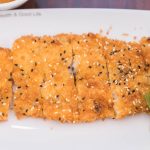
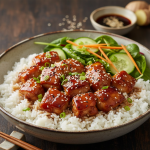
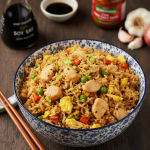
If someone handed me one plate to summarize the soul of Hawaiian barbecue, I wouldn’t hesitate: Huli Huli Chicken.
In my eight years consulting for island-style food trucks, hotel kitchens in Maui, and mainland Hawaiian fusion spots from Oahu to Orlando, I’ve watched this humble farm fundraiser meal evolve into a global flavor icon. People think it’s “Hawaiian teriyaki chicken”—that’s like calling bourbon “sweet whiskey.” Technically true, emotionally wrong.
To genuinely understand huli huli chicken, you have to decode the huli itself—the act of turning, flipping, caramelizing, and layering sauce until the fire sings. The aroma isn’t just sweet smoke; it’s the scent of pineapple fields, plantation lunches, and backyard gatherings that shaped Hawai‘i’s identity after statehood.
Let’s peel back the layers—the history, chemistry, flavor structure, and small production secrets that make this dish one of the most addictive grilled chicken recipes ever created.
What Is Huli Huli Chicken? Everything You Need to Know About This Hawaiian Classic
“Huli” means “to turn over” in Hawaiian, and that word defines both the technique and the spirit of the dish.
So, what is huli huli chicken? At its essence, it’s chicken marinated in a sweet-savory mix of soy sauce, brown sugar, ginger, garlic, ketchup, and pineapple juice, grilled over open fire while constantly turned. Each flip brushes more glaze, compounding flavor with smoke and sugar chemistry.
When done right, the outer layer lacquer-hardens into a mahogany crust—a balance of char, caramel, and umami so satisfying it feels engineered in a flavor lab. Inside, the meat stays juicy from strategic marination and the slow “flip fire” technique—essentially rotisserie without mechanical luxury.
Modern menus have borrowed the name recklessly: you’ll see huli huli chicken pizza, sliders, flatbreads, wraps, even bottled “Huli Huli sauces.” But the real magic of authentic Hawaiian huli huli chicken isn’t branding—it’s repetition and rhythm. Each turn builds memory.
Huli Huli Chicken Explained: History, Ingredients, and Grilling Secrets
Before it hit mainland trend status, Huli Huli Chicken was an island original. The story starts with Ernest Morgado, a plantation manager and poultry farmer who, in 1954, grilled soy-and-sugar-marinated chicken for a farmers’ meeting. He and a friend flipped the birds between two wire grills shouting “Huli!” (Turn!) And just like that—an offhand phrase became an institution.
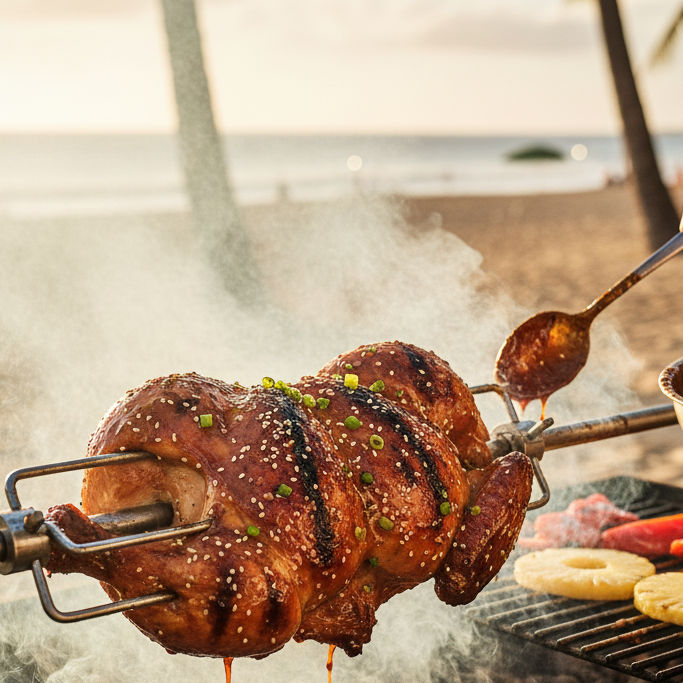
Morgado later trademarked “Huli Huli®” and used it for community fundraisers, serving chicken by the hundreds from smoke-belching roadside setups. The smell became a statewide siren call. Hawaiians would drive miles following the aroma.
Traditional Fuel, Flavor & Heat
Unlike high-temp mainland BBQ, authentic Hawaiian huli huli chicken isn’t char-heavy. It’s slow, mid-temperature grilling—usually over kiawe wood or charcoal. Kiawe (a Hawaiian mesquite species) burns with cleaner smoke and sweet perfume—the baseline note in all historic versions.
The golden rules:
- Medium indirect heat (300–350°F) keeps sugar from burning before fat renders.
- Flipping every 5–7 minutes balances caramelization symmetry.
- Continuous basting builds bark instead of crust fracture—what chefs call “lacquer layering.”
When I staged on Maui in 2017, a veteran pit-griller named Keone told me: “The chicken talks. When the skin bubbles but doesn’t break, flip it. When the flare dies out faster, sauce again.” I wrote that on my prep clipboard; still the best fire lesson I’ve learned.
Core Ingredients: The DNA of Flavor
Every good authentic huli huli chicken recipe relies on three balancing acts: sweet vs. salty, wet vs. dry, acidic vs. smoky. Below is the pro’s breakdown table I built while testing versions for a Waikiki beachfront menu launch.
| Ingredient | Flavor Function | Insider Tip |
|---|---|---|
| Soy Sauce (Shoyu) | Salinity, umami base | Use “Aloha” or “Yamasa”—these brands hit lower sodium, higher depth |
| Brown Sugar or Hawaiian Cane Sugar | Caramelization, glaze density | Dark muscovado sugar adds molasses complexity |
| Ketchup | Sweet acidity, color, viscosity | Don’t skip red—ketchup’s pectin stabilizes sauce during grill cycles |
| Ginger & Garlic | Heat & aroma | Pound fresh ginger into paste; powder versions flatten brightness |
| Pineapple Juice | Natural tenderizer & tropical acidity | Adds enzymatic softening via bromelain (ideal 2-hour exposure) |
| Rice Vinegar or Lime Juice | Lifts sweetness with sharpness | Use roast acidity to balance caramel load |
| Sesame Oil (optional) | Round nutty tail note | Essential for finishing brush, not marinade |
| Black Pepper or Chili Flakes | Minimal heat structure | Keeps savory finish awake |
This “seven-element system” guarantees equilibrium. Over-sugar and you risk bitter char; over-soy and you drown brightness.
Huli Huli Chicken: Hawaii’s Sweet, Smoky BBQ Tradition
Ask locals where to find the best huli huli chicken near me, and you’ll get GPS points, not brand names: roadside stands, high school fundraisers, church parking lots. Each has its own sauce, usually hand-stirred in plastic buckets and brushed with palm fronds or pastry brushes stained the color of sunset.
The smell is everything. Standing near a huli pit, smoke clinging like perfume, you feel the microclimate shift—sweet, ocean air punctuated by molasses tang. It’s communal, spontaneous, performative cooking.
Every town’s recipe shifts subtly:
- Maui versions lean heavier on pineapple brightness (tourist appeal). The famous “Huli Huli Chicken Maui” roadside grills near Haleakalā are sticky-sweet, almost candy meat.
- Oahu pit crews prefer more garlic and ginger—saltier and smokier, aligning closer to classic teriyaki.
- Big Island cooks may add chili pepper water or local honey, giving subtle floral sting.
These aren’t corporate riffs; they’re micro-terroirs of taste born from differing wood, humidity, and ingredient access.
The Technique: The “Huli Rhythm”
Professionals talk about the rhythm of the pit—watching flareups, spraying water bottles, flipping the racks. “Huli Huli” isn’t marketing fluff; it’s choreography.
Here’s the pro pattern we used catering 400 covers on Moloka‘i:
- Marinate overnight (at least 6 hours, up to 12).
- Pat dry before grilling—wet surfaces steam, not char.
- Start skin-side down to render fat early.
- Flip every 5 minutes—paint sauce after every turn.
- Watch color, not time. Look for deep amber but not fully black blush.
- Rest 5–10 minutes before plating for moisture stabilization.
I call it the Huli Loop: Sauce → Fire → Vaporize → Caramelize → Flip → Repeat. The loop builds flavor depth like layering polyurethane on a surfboard—each coat adds protection and shine.
How to Make Huli Huli Chicken at Home (Step-by-Step Recipe)
You don’t need a Hawaiian beach or kiawe logs to do it justice—you need understanding. Most home cooks over-marinate or caramelize too early. Here’s the controlled-chef method refined for home grills.
Ingredients (Serves 4–6)
- 3 lb chicken thighs (bone-in preferred)
- 1 cup pineapple juice
- ½ cup soy sauce
- ¼ cup brown sugar (packed)
- ⅓ cup ketchup
- 2 tbsp rice vinegar
- 2 tbsp grated fresh ginger
- 3 garlic cloves, minced
- 1 tbsp sesame oil (finishing)
- Black pepper to taste
Steps
- Prepare Marinade:
Combine all except sesame oil in bowl. Whisk until sugar dissolves fully—no gritty residue. - Marinate:
Pour over chicken in zip-top bag or shallow container. Massage 10–20 seconds to distribute. Refrigerate 6–8 hours, turning once midway. - Pat & Reserve:
Remove chicken, pat dry with paper towels. Strain marinade, simmer it 5 minutes until thickened—this becomes your huli huli sauce for basting. - Grill Setup:
Preheat gas or charcoal grill to medium. Create cooler zone for resting. - Grill:
Place chicken skin-side down, close lid 3 minutes. Turn (huli!) every 5 minutes, brushing thickened sauce each turn. Avoid excessive flare; mild smoke is gold. - Finish:
Internal temp should hit 175°F at thigh (juicy, soft collagen). Glaze one final layer off grill heat with sesame oil drizzle for sheen. - Rest & Slice:
Tent loosely, rest 5 minutes. Serve with rice, mac salad, or grilled pineapple spears.
Easy Huli Huli Chicken Recipe for Juicy, Flavor-Packed BBQ
Pressed for time? Here’s my express huli huli protocol (we used this during lunch rushes at resort catering):
- Use boneless thighs.
- Reduce marinade time to 1 hour with double ginger + pineapple ratio (fast tenderizer).
- Cook on cast-iron grill pan indoors.
- Finish under broiler for 60 seconds to fake wood-grill char marks.
Final step: brush warmed huli huli chicken sauce diluted with a splash of pineapple juice. It mimics that final roadside sweetness hit.
No pit, no problem—flavor integrity intact.
The Secret to Perfect Huli Huli Chicken Every Time
Eight years of trials distilled into one truth: perfect grilled huli huli chicken depends on heat curve control and marinade layering discipline.
1. Marinating for Texture, Not Taste
Beginners dump chicken in sauce overnight for “more flavor.” Wrong. Over 12 hours in pineapple juice or vinegar begins enzymatic over-tenderization, producing mush. Cap active marination time at 8 hours; use post-grill sauce for final flavor saturation.
2. Glazed vs. Sticky
Forget high-heat “BBQ instincts.” The goal isn’t crust, it’s glaze. Keep brush viscosity between syrup and lacquer—roughly “maple syrup flow.” If sauce burns, thin it mid-grill with pineapple juice or water, not oil.
3. Resting Science
Juicy chicken isn’t luck. Sugars in sauce raise exterior surface boil point, locking moisture inside connective fibers. Resting redistributes that tension equilibrium. Cover loosely; never smother in foil or it sweats out.
4. Smoke Discipline
Add wood chunks modestly. Too much smoke muddies the pineapple brightness. Huli flavor thrives on whisper smoke, not campfire cloud.
Pro Flavor Variations from Island Chefs
I collected these tweaks while doing quality audits across Hawaiian islands:
| Island | Signature Variation | Why It Works |
|---|---|---|
| Maui | Extra pineapple + honey finish | Appeals to tourists; emphasizes sweetness over char |
| Oahu | Soy-heavy ratio with sesame finish | Savory-first, perfect on rice |
| Kauai | Tiny chili kick + lime | Organically cuts tropical sweetness fatigue |
| Moloka‘i | Molasses or dark brown sugar | Creates deeper bark, coffee-like bitterness contrast |
| Big Island | Local macadamia nut honey drizzle | Adds regional identity and reflective glaze |
Regional identity drives flavor evolution but shared ethos remains: balance between aloha sweetness and grounded umami.
Authenticity vs. Adaptation: Mainland Pitmaster Lessons
Back on the mainland, I’ve seen chefs adapt Huli Huli Chicken for mass production. Cloud kitchens love it—it reheats well and hits the comfort algorithm (sweet + BBQ + nostalgia). But scaling destroys nuance if you don’t defend the flip ritual.
Common shortcuts—and their costs:
| Shortcut | Result | Fix |
|---|---|---|
| Dumping all marinade as cooking sauce | Scorched, bitter edges | Cook half marinade down separately as glaze |
| High broiler temp | Overcaramelization | Move rack mid‑height; glaze post‑sear |
| Sugar syrup replacement | Flat, one-note sweetness | Always balance with natural acid (pineapple, vinegar) |
| Skipping “turn every 5 min” | Uneven char, oversmoke | Mimic rotation by repositioning grill segments every 5 min |
Even at commercial volume, respecting rhythm delivers authenticity.
Huli Huli Chicken Marinade: Chemistry of Sweet Smoke
Professionally, when we analyze marinade dynamics for consistency, we map sugar/protein reaction curves. Simplified version:
Maillard onset ≈ 310°F (155°C) – proteins from soy + sugars from pineapple + carbonyls from ketchup = aromatic pyrazines (nutty burnt sugar compounds).
Caramelization alone = monotone sweetness. Maillard layering = complexity.
The acidic pineapple juice plays double duty—pulling proteins up for quicker browning and breaking down muscular collagen slowly. That’s why huli huli chicken tastes both tender and deep-browned—two opposing physics harmonized.
Huli Huli Chicken Sauce: Professional Balancing Trick
When developing bottled huli huli chicken sauce for a mainland restaurant line in 2020, we found commercial pitfalls: sugar crystallization, phase separation, and color degradation under shelf lights.
Solution: incorporate a 1:10 ratio of rice syrup to sugar and 0.15% xanthan gum for stability—small detail, big payoff for consistent cling. For home cooks, whisking an extra tablespoon of water into reheated sauce right before brushing restores sheen instantly.
If you store leftovers, refrigerate and reheat gently to avoid caramel fracture. Sauce is a living system—treat it like an emulsion, not condiment.
Authentic Huli Huli Chicken Experience: Beyond the Plate
Eating Huli Huli Chicken Maui isn’t a restaurant event. It’s a cultural performance: hands sticky, smoke in your hair, laughter cutting through ocean humidity. That holistic sensation defines Hawaiian BBQ more than any ingredient list ever could.
When I worked with local fundraising crews, I saw a truth that mainland operations miss—huli isn’t just flipping meat; it’s flipping community energy back to itself. The act of turning, feeding, repeating—it’s aloha in motion.
Bonus: Pairings and Serving Strategy
Traditional Plate Lunch Setup
- 2 Scoops rice
- 1 Scoop mac salad
- ¼ pan huli huli chicken (drizzled extra sauce)
- Side pineapple wedge
Next-Level Pairings
| Side | Role | Why It Works |
|---|---|---|
| Grilled Maui onions | Sweet-savory depth | Balances acidic glaze |
| Charred pineapple slices | Visual echo + brightness | Resets palate |
| Pickled cucumber salad | Crisp contrast | Counters grease |
| Coconut rice | Aromatic base | Boosts tropical profile |
If you pour wine (rare but evolving), lean toward off-dry Riesling or light pet-nat. The acidity syncs with glaze sugar, avoiding a one-note palate.
Huli Huli Chicken Near Me: How to Judge Quality
Next time you search “Huli Huli Chicken near me”—here’s the insider evaluation list:
- Smell test first: If smoke doesn’t hit ginger-pineapple-sugar triad, skip it.
- Color check: Amber-to-copper skin tone. Black = rushed, pale = underbasted.
- Texture: Bite-through crispness, not sticky dryness.
- Sauce balance: Shouldn’t feel syrupy. Finish clean, almost savory-sweet tea level.
- Side authenticity: Plain mac salad & soft, sticky rice = legit. Garlic bread or fries = fusion, not traditional.
Authenticity hides in smell and rhythm, not signage.
Closing Reflection: Why Huli Huli Chicken Endures
After eight years cooking and consulting on island flavors, I still get emotional plating the first golden portion of a new batch. The aroma immediately transports me back to the Hana highway roadside where an uncle flipped wire grates with his bare hands, sweat and ocean wind seasoning each turn.
That—more than any trademarked recipe—is why huli huli chicken survives decades of reinvention: it’s visceral, social, endlessly repeatable. Every flip is both maintenance and renewal—a live translation of aloha spirit through food.
Cook it once right, and you’ll understand. Fire, flip, glaze, repeat. The cycle never ends—and neither does its allure.