Before a single wrapper is touched, the battle for greatness is won or lost in the mixing bowl. A perfect Mandu filling is not just a mishmash of ingredients; it’s a delicate ecosystem of flavor, texture, and moisture. Get this wrong, and no amount of clever folding can save you.
The Protein Trinity
Most classic Mandu fillings are built on a trinity of proteins, each with a critical role.
- Pork (The Fat and Flavor): This is your foundation. Do not, under any circumstances, use lean pork. You need fat. Fat is flavor, it’s juiciness, and it’s the vehicle that carries all other flavors. The best cut is pork shoulder or butt, with about a 70/30 meat-to-fat ratio. Ask your butcher to grind it for you, or grind it yourself.
- Tofu (The Moisture and Silk): This is the secret weapon that most recipes miss. A small amount of crumbled silken or soft tofu adds incredible moisture and a delicate, silken texture that prevents the filling from becoming dense or mealy.
- Kimchi (The Tang and Funk): This is the soul of Korean flavor. Well-fermented, sour kimchi provides a complex tang that cuts through the richness of the pork. The key is to squeeze it completely dry after chopping. Any excess water will turn your filling into a soupy mess.
The Aromatic Bloom
This is a professional technique that elevates the filling from good to great. Do not just mix raw garlic and onion into your pork. Sauté them first.
Finely mince your aromatics—garlic, onion, maybe a little ginger—and gently cook them in a neutral oil until they are soft and translucent but not browned. This “blooms” them, mellowing their harsh raw bite and infusing the entire mixture with a sweet, aromatic base. Let this mixture cool completely before incorporating it with your pork and tofu.
The Moisture Manager
Even with squeezed kimchi and tofu, you need a final manager of moisture. Grated Asian pear or daikon radish is the classic choice. It adds a subtle sweetness and a fantastic crunch, but its primary job is to release a small amount of water during cooking, ensuring the filling stays incredibly moist. This is what separates a great Korean Mandu Dumplings recipe from a mediocre one.
The Art of the Fold: A Technique, Not a Shape
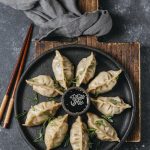
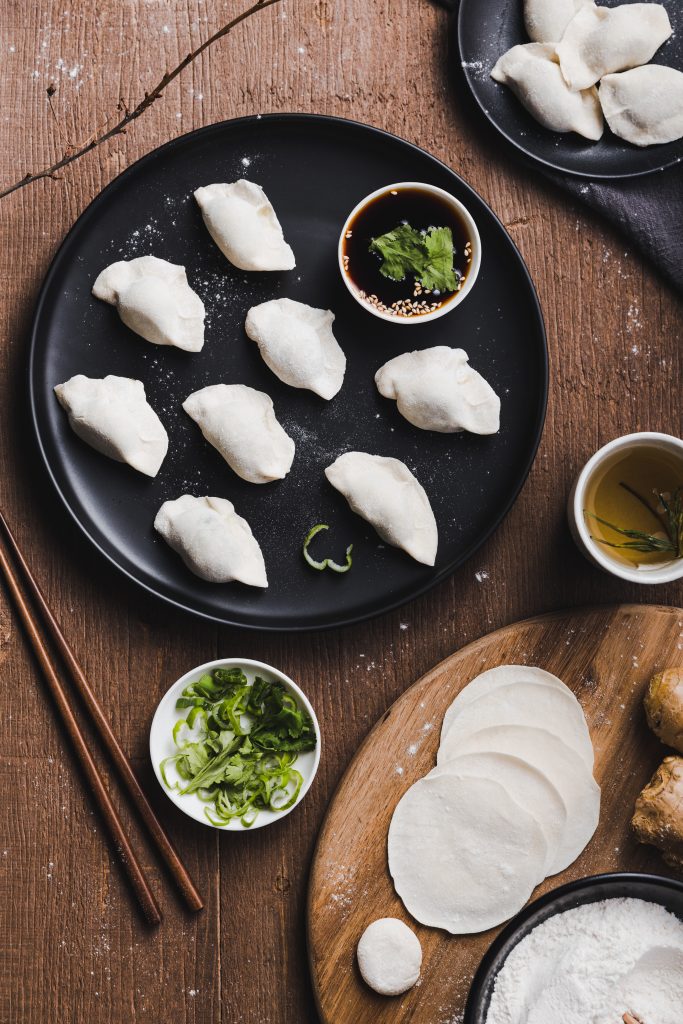
The iconic half-moon shape of Mandu is not just for aesthetics. Every fold and pinch has a structural purpose. This is the most meditative and rewarding part of the process.
First, your tools. Use store-bought Mandu-pi wrappers if you can find them. They are slightly thicker and chewier than gyoza wrappers, which is what you want. If not, high-quality dumpling wrappers will work. Keep them covered with a damp towel at all times to prevent them from drying out.
Now, the fold. This is the classic technique:
- The Moat: Place a small spoonful of filling in the center. Don’t be greedy. Overfilling is the #1 cause of burst dumplings.
- The First Seal: Dip your finger in a bowl of water and trace a half-circle along the edge of the wrapper. Fold it over to create a half-moon. Press firmly to seal the edge, pushing out any air pockets. Air expands when heated and will burst your dumpling.
- The Pleat (The “Heart”): This is the signature of Mandu. Hold the half-moon in your left hand. With the thumb and forefinger of your right hand, create a small pleat along the sealed edge, pointing towards the center. Pinch it tight.
- The Cascade: Continue creating small, tight pleats, slightly overlapping each one, as you work your way along the curved edge. You should end up with 5-7 pleats.
- The Final Pinch: Gently curve the pleated edge towards the center. It should create a slight “belly” or puff in the middle. This gives the dumpling structure and a place for the filling to nestle.
This technique creates a tight, strong seal and a beautiful, rustic look. It takes practice, but after a dozen, your hands will remember the motion.
The Three Paths of Fire: Choosing Your Dumpling’s Destiny
A perfectly folded Mandu is a beautiful thing, but it’s the cooking method that gives it its final character. There are three primary paths, each creating a completely different experience.
| Path | Name | The Result | The Insider’s Secret |
| :— | :— | :— |
| 1. The Boiled Soul (Mul-Mandu) | The purest form. The wrapper becomes soft, tender, and slippery. The filling is incredibly juicy. | Add a generous amount of salt to the boiling water. It seasons the wrapper from the outside in and raises the boiling point. |
| 2. The Pan-Seared Heart (Yaki-Mandu) | The ultimate textural contrast. A crispy, lacy bottom with a steamed, tender top. | Use the steam-fry method. Sear in oil, then add a splash of water and immediately cover. The trapped steam cooks the top. Uncover at the end to re-crisp the bottom. |
| 3. The Steamed Cloud (Gun-Mandu) | The most delicate. The wrapper becomes pillowy soft and translucent, highlighting the filling’s flavor. | Line your steamer basket with cabbage leaves. This prevents sticking and imparts a subtle, sweet cabbage flavor to the dumpling. |
The path you choose depends on your mood and your meal. For a light, healthy soup, Mul-Mandu is perfect. For a hearty, textural appetizer, Yaki-Mandu is king. For a delicate, refined dish, Gun-Mandu is the choice.
The Perfect Partner: The Dipping Sauce as a Framework
A Mandu is naked without its sauce. And just like with the filling, a great sauce is a balanced system, not just a dump of ingredients. Forget rigid recipes and think in terms of this framework.
| Component | Function | Your Choices |
|---|---|---|
| The Salty Base | Provides foundational umami and salt. | Korean Soy Sauce (Ganjang), Tamari |
| The Sour Element | Cuts through richness and awakens the palate. | Rice Vinegar, Black Vinegar (for funkiness), Apple Cider Vinegar |
| The Sweetness | Balances the salt and sour, creating a moreish profile. | Sugar, Honey, Mirin (a sweet rice wine) |
| The Aromatic/Heat | Provides freshness, spice, and a pungent kick. | Minced Garlic, Ginger, Gochugaru (chili flakes), Sesame Oil |
To create your sauce, simply combine elements from each column to your taste. A classic Korean Mandu Dumplings dipping sauce might be: 2 parts soy sauce, 1 part rice vinegar, 1/2 part sugar, and a big sprinkle of gochugaru and sesame oil. For a Healthy Korean Mandu Dumplings Recipe, you might use less sugar and more vinegar.
The Ritual of the Fold
Making Mandu from scratch is an act of love. It’s a perfect activity for a quiet afternoon with family or friends. Don’t treat it as a chore to rush through. Put on some music. Embrace the process. Feel the dough, smell the aromatics, find your rhythm with the fold.
Each perfect little half-moon you create is a small, edible vessel of care. It’s a wish for health and happiness, just as Mrs. Bae said. When you finally sit down to eat them—whether boiled in a savory broth, pan-seared to a perfect gold, or steamed to delicate softness—you’re not just eating food. You’re tasting the intention and care you folded into every single one.
Now you know the secrets. You understand the soul of the filling, the art of the fold, and the path of fire. Go forth. Create your own ritual. Your heart, and your stomach, will thank you.