What Is Korean BBQ? Everything You Need to Know Before You Try It
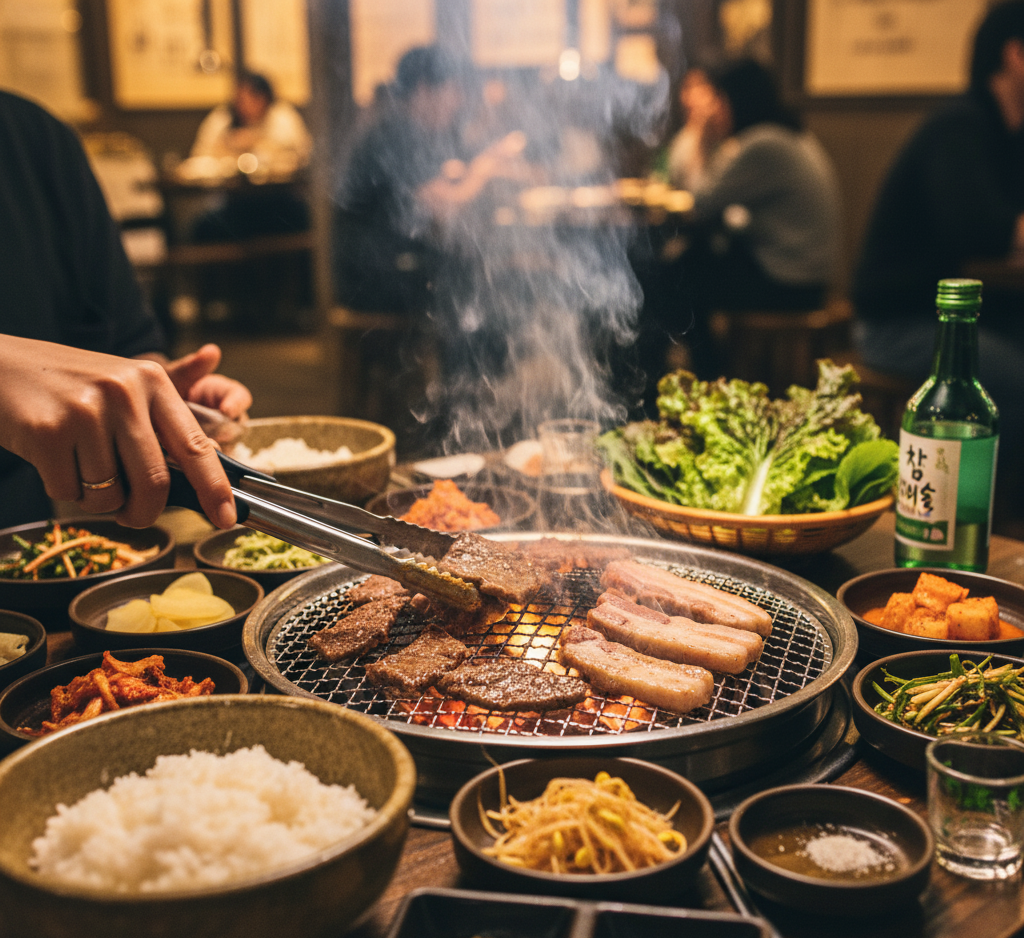
Korean BBQ—gogi-gui (literally “meat roast”)—is a cultural performance as much as it is a meal. If you’ve ever stepped into a bustling Seoul BBQ joint or a packed Gen Korean BBQ House on a Friday night, you’ve seen this dance: sizzling beef ribbons laid across the grill, hands darting to flip, cut, and wrap in lettuce, while bowls of banchan (side dishes) orbit the feast like satellites.
What makes it special isn’t just the interactive grilling—it’s the layering of flavor and participation. Western grilling typically separates chef and guest. Korean BBQ eliminates that barrier entirely. The diner is the chef. Each table has its own grill, its own pace, and its own rhythm.
When people type “Korean BBQ near me” into Google, they’re not just looking for meat—they’re looking for that shared sensory experience: the scent of sesame oil smoke, the faint caramelization of marinated galbi, and that unspoken satisfaction of mastering the perfect lettuce wrap.
The Hidden Architecture Behind a Korean BBQ Meal
Let’s demystify what’s really happening on that sizzling grill. I’ve spent eight years designing and optimizing table setups for various Korean BBQ restaurants (including one layout project for a Gangnam Korean BBQ outlet in Los Angeles), and the success of a BBQ experience actually rests on three unseen factors:
- The Grill Technology:
Korean BBQ grills are engineered to control fat drip and airflow. High-end restaurants use dome-style or carbon steel grills with vents to channel smoke away. The goal isn’t a smoky atmosphere—it’s a clean sizzle and pure caramelization.
Pro insight: In-house grills at Gen Korean BBQ House run between 450–550°F on high to quickly sear marbled cuts without overcooking. - Cut Specification:
The thinness of samgyeopsal (pork belly) or chadolbaegi (beef brisket) isn’t arbitrary. These are sliced thin—often 2 mm to 3 mm—because Korean BBQ prioritizes rapid browning and shared serving over long cook times. - Marinade Distribution:
Contrary to what many imagine, not all Korean BBQ is marinated. Cuts like bulgogi or galbi absorb flavor overnight, but raw cuts like deungshim (ribeye) or samgyeopsal rely on post-grilling dips—like sesame oil + salt or ssamjang—to define their final flavor tone.
Korean BBQ: History, Traditions, and the Evolution of Modern Grilling
To understand how Korean BBQ exploded globally—from Seoul’s Mapo-dong street grills to KPot Korean BBQ & Hot Pot franchises across the U.S.—you have to go back centuries.
Ancient Roots
The tradition of grilling meat outdoors (gui) traces back to the Goguryeo dynasty (as early as 37 BCE). Back then, it wasn’t called “BBQ,” of course—it was royal class dining. Beef ribs (galbi) were marinated in soy sauce, pear puree, garlic, and sesame oil—a method both for tenderizing and enhancing natural sweetness.
The Democratic Table
Fast forward to the 1960s. Korea’s post-war economic boom birthed the concept of table-top grills—tiny charcoal pits built directly into tables. That changed everything. Suddenly, meat wasn’t a luxury; it became a social ritual. Families grilled together. Colleagues bonded over soju. Korean BBQ morphed into communal cooking theater.
The Globalization Wave
When Korean immigrants brought their cuisine to the U.S. in the late 20th century, the concept translated perfectly to American dining culture. All-you-can-eat Korean BBQ became an experience synonymous with indulgence and interaction. Chains like Gen Korean BBQ and KPot Korean BBQ mastered scalability while keeping flavor authenticity intact—balancing Korean traditions with operational efficiency.
Everything You Need to Know About Korean BBQ (A Beginner’s Guide with Depth)
If you’re new to this, the first rule is: you’re never just eating; you’re choreographing.
Here’s a quick breakdown of what you’ll encounter at a Korean BBQ table, whether at your local “Korean BBQ near me” spot or in Seoul’s Gangnam district.
| Element | Description | How to Use It Like a Pro |
|---|---|---|
| Banchan (Side Dishes) | Small, refillable plates like kimchi, pickled radish, and spinach namul | Snack and reset your palate between bites |
| Lettuce & Perilla | Used for wrapping grilled meat (ssam) | Always layer lettuce first, perilla second, then meat, rice, sauce |
| Ssamjang & Gochujang | Fermented soybean-chili pastes | Use sparingly; it dominates flavor |
| Grill Scissors | Every Korean BBQ pro’s favorite tool | Cut meat mid-grill for bite-sized tenderness |
| Dipping Sauces | Soy-based, sesame oil with salt, or custom house blends | Match sauce intensity to meat fat content |
Pro tip from a consultant’s notebook: If you’re running a restaurant, never reuse banchan for cost-saving. It’s both unethical and sensorially destructive. Banchan freshness anchors perceived quality.
Korean BBQ: A Delicious Mix of Flavor, Culture, and Experience
No cuisine so gracefully blurs the lines between technique and interaction as Korean BBQ. It’s not a meal you passively consume. It demands attention, timing, taste discipline, and collaboration.
You’ll notice distinct sensory markers:
- The hiss when raw meat hits metal.
- The interval silence while everyone waits for caramelization.
- The synchronized flipping—like a jazz ensemble improvising.
The Social Engineering of Flavor
Korean BBQ is built for social connection. In traditional hierarchy, the youngest person never grills when elders are present. In modern contexts, the best griller is both artist and host. When done right, they balance social flow and technical precision—like regulating the meat rotation order, ensuring marinated cuts don’t burn before non-marinated ones.
When consulting at Gen Korean BBQ’s Irvine flagship in 2018, I observed that the tables where staff trained customers in “grilling order” had 19% fewer complaints about burnt food or flavor fatigue. It’s a reminder that service in Korean BBQ isn’t just about plates—it’s about education through experience.
How to Make Authentic Korean BBQ at Home
Grilling at home isn’t about replicating a restaurant—it’s about bringing Seoul flavor logic into your kitchen.
Step 1: Choose Your Cuts Thoughtfully
At home, always prioritize balance. Here’s the ideal trio:
- Chadolbaegi (Beef Brisket): Thin, juicy, ideal for beginners.
- Samgyeopsal (Pork Belly): Rich, indulgent, needs acid sides like kimchi.
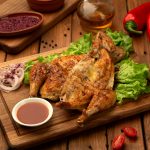
- Dak Galbi (Spicy Chicken): Adds complexity and color contrast.
Step 2: Marinades with Purpose
The backbone of Korean BBQ marinades relies on smart chemical interplay. Pear puree for enzyme tenderization, soy sauce for umami, sugar for caramelization. My mentor chef in Seoul used to say, “If your galbi doesn’t smell floral before it hits the grill, you’ve missed your balance.”
Base Marinade Formula (Chef-Proven Ratios)
| Ingredient | Typical Ratio (%) | Function |
|---|---|---|
| Soy Sauce | 40 | Salt and depth |
| Brown Sugar | 15 | Browning & balance |
| Asian Pear Puree | 20 | Tenderizing enzyme (bromelain-like effect) |
| Garlic & Ginger | 10 | Sharp aromatic |
| Sesame Oil | 10 | Roundness & aroma |
| Onion Juice | 5 | Soft sweetness |
Blend and marinate beef short ribs (cross-cut) for at least 12 hours, up to 24 for maximum absorption.
Easy Korean BBQ Recipes for Beginners – Grill Like a Local
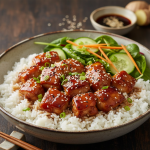
Smoky Beef Bulgogi
Bulgogi means “fire meat,” but in Korean kitchens, the fire is metaphorical—it’s about flavor ignition.
- Slice ribeye 3 mm thin.
- Marinate overnight.
- Cook quickly on high heat, stir-fry style—no sluggish caramelization allowed.
- Pair with rice and crisp kimchi for textural contrast.
Insider tip: Don’t crowd your pan. Every amateur mistake in home Korean BBQ starts with moisture trapping.
Crispy Pork Belly (Samgyeopsal)
Forget frying. Grill or pan-sear until the fat renders and edges crisp. If you hear a loud crackle, you’re doing it right.
Finish with:
- Dip #1: Sesame oil + coarse salt.
- Dip #2: Mashed garlic + ssamjang + squeeze of lemon (modern twist).
The Secret to Perfect Korean BBQ Marinade (Sweet, Smoky, and Spicy)
This is the section where eight years of restaurant R&D condense into a paragraph of liquid gold.
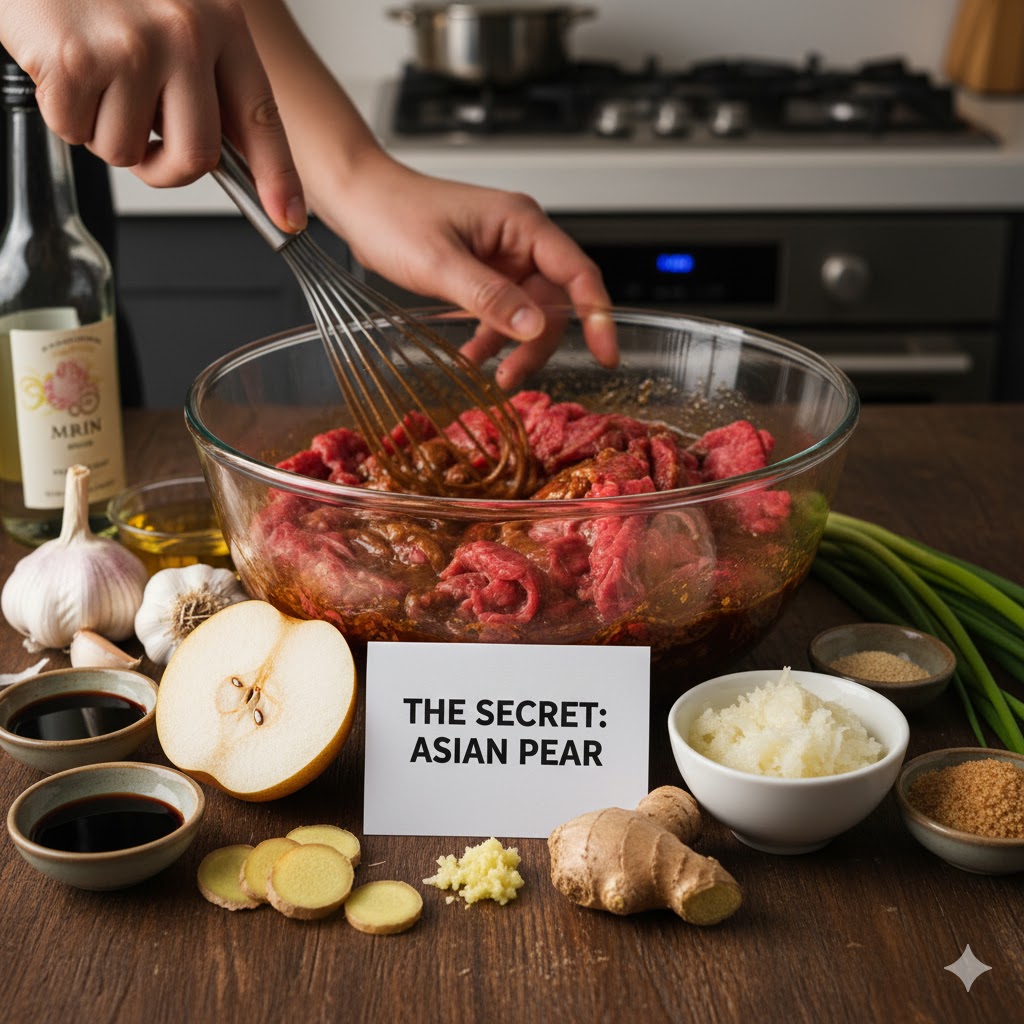
Perfect marinade chemistry relies on Maillard sequencing—you want sugars and amino acids aligning their browning point around 140–160°C without scorching. Use fine-grain brown sugar or rice syrup instead of granulated sugar; it melts faster and binds better to meat fibers.
One trick veteran chefs use at Gangnam Korean BBQ in Seoul? Cook down onions and garlic in a small soy broth for two minutes before blending into your marinade. That pre-caramelization step deepens color and aroma, preventing bitterness under high grilling heat.
Korean BBQ at Home: Grilling Tips, Sauces, and Sides
Even with perfect marinade, technique decides 70% of success.
Grilling Secrets
- Preheat the grill. You should hear an assertive sizzle instantly.
- Start with unmarinated meats first. This keeps the grill from burning sugar-driven sauces early.
- Slice at an angle. Always perpendicular to muscle grain—tenderness guaranteed.
- Control your smoke. Outdoor grilling? Rule of thumb: half-inch coal gap under the grate prevents flare-ups.
Sauce Matrix
A pro Korean grill always has a flavor matrix of dipping sauces.
| Sauce | Base | Ideal For | Flavor Note |
|---|---|---|---|
| Ssamjang | Soybean + Chili | Pork belly | Earthy, nutty, sweet |
| Sesame Oil Dip | Sesame oil + salt | Lean beef | Clean, silky |
| Gochujang Mix | Chili paste + vinegar | Chicken | Bright spice |
| Soy Vinegar Dip | Soy sauce + sugar + onion | Short ribs | Tangy umami |
Homemade Korean BBQ: Bring the Taste of Seoul to Your Kitchen
There’s something poetic about recreating Seoul’s late-night BBQ vibe at home. Dim the lights. Pour some soju. Put on background chatter from a Korean market video if you want atmosphere. Grill, laugh, eat with your hands.
Korean BBQ isn’t just about technique—it’s a philosophy of shared abundance. Each layer—heat, marinade, wrap, sauce—is a note in a bigger orchestration. When you build your own at-home “Gangnam BBQ night,” you’re not mimicking—you’re participating in a cultural evolution.
Final Insider Reflection
After nearly a decade inside the Korean BBQ industry, consulting for franchises, sourcing meats, and studying flavor psychology, here’s the quiet truth: the essence of Korean BBQ isn’t fire or flavor—it’s rhythm.
Every choice—from grill design at a KPot Korean BBQ buffet line to the honey ratio in your marinade—builds to that rhythm. Once you internalize it, you stop cooking Korean BBQ and start composing it.
Further Reading:
For a deep dive into Korean culinary history and regional variations of gogi-gui, visit Korean Food Foundation.
For ingredient reference, check the Korea Tourism Organization’s Cuisine Guide.
And for professional-grade grill setup insights, see Serious Eats’ Korean BBQ Equipment Guide.