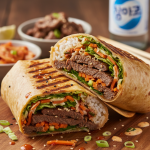
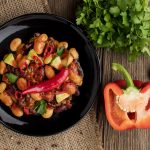
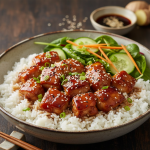
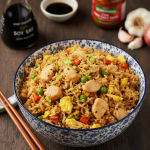
Let me tell you about the night I almost got fired from my first Hawaiian BBQ joint. It was 2015, and I’d just moved from the mainland to Oahu, thinking my Texas BBQ experience would translate. Boy, was I wrong. The owner, a third-generation Japanese-Hawaiian pitmaster named Keoni, watched me drown a beautiful piece of kalbi in a thick, sweet sauce. “On the side!” he barked, snatching the bottle from my hand. “You don’t disrespect the meat like that.” That lesson—respecting the ingredients while embracing fusion—became the foundation of my eight-year journey through the world of Hawaiian BBQ.
What Exactly Is Hawaiian BBQ? (Hint: It’s Not What You Think)
Most mainlanders hear “Hawaiian BBQ” and picture pineapples on everything, served with a side of kitsch. The reality is far more complex—and fascinating. Hawaiian BBQ isn’t just a cuisine; it’s a living document of Hawaii’s multicultural history, blending indigenous Hawaiian traditions with Japanese, Chinese, Korean, Filipino, and Portuguese influences.
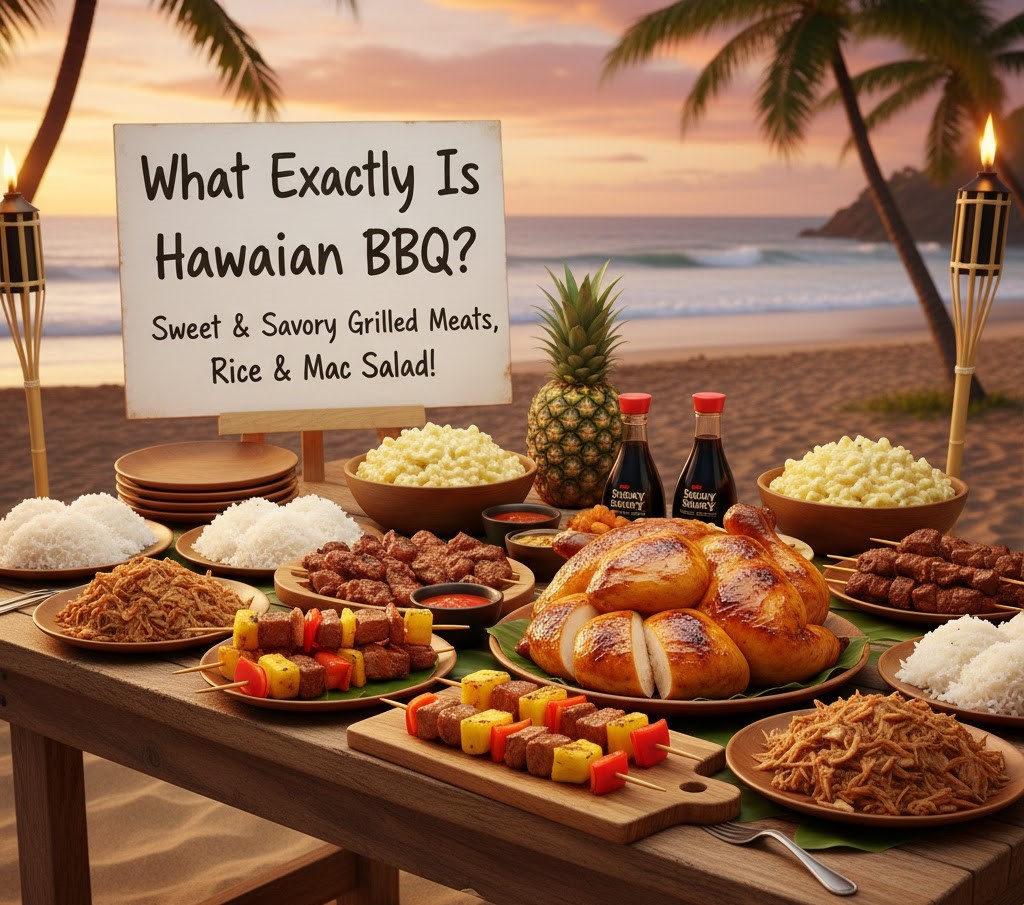
The term “Hawaiian BBQ” itself is somewhat misleading. In Hawaii, you’ll rarely hear locals use it. They’re more likely to say “plate lunch” or specify the dish, like “kalua pig” or “teriyaki chicken.” The mainland version—what you find at chains like L&L Hawaiian BBQ or Ohana Hawaiian BBQ—is actually an Americanized interpretation of these plate lunches, created primarily by Filipino and Japanese immigrants in the mid-20th century.
The Three Pillars of Authentic Hawaiian BBQ
- The Rice: Not just any rice—medium-grain Calrose rice, cooked perfectly sticky. The rice-to-meat ratio is sacred. Too much rice is amateur hour; too little is just as bad.
- The Protein: This is where the magic happens. We’re talking about:
- Teriyaki beef (not the gloppy mess you find at food courts)
- Kalua pork (traditionally cooked in an imu, or underground oven)
- Chicken katsu (Japanese influence)
- Kalbi (Korean-style short ribs)
- Spam musubi (don’t knock it till you’ve tried it)
- The Mac Salad: Creamy, slightly sweet, with just a hint of tang. The secret? Best Foods mayo (known as Hellmann’s on the East Coast) and a touch of rice vinegar.
How to Make Authentic Hawaiian BBQ at Home
Let’s get one thing straight: you won’t be digging an imu in your backyard (unless you really want to). But you can create authentic Hawaiian BBQ flavors at home with the right techniques and ingredients.
Step 1: The Rice
The foundation of any great Hawaiian BBQ plate starts with perfect rice. Here’s how the pros do it:
- Rinse 2 cups of Calrose rice until the water runs clear (about 5-6 rinses)
- Add to rice cooker with 2.5 cups water and 1 tsp salt
- Let sit for 30 minutes before cooking (this is crucial for texture)
- Cook, then let steam for 15 minutes with the lid slightly ajar
Pro Tip: Add a small piece of kombu (dried kelp) while cooking for that elusive umami flavor you get at the best Hawaiian BBQ spots.
Step 2: The Protein (Kalua Pork Recipe)
While you can’t replicate traditional imu cooking at home, you can get remarkably close with a slow cooker and a few key ingredients:
Ingredients:
- 4-5 lb pork shoulder (bone-in preferred)
- 1.5 tbsp Hawaiian sea salt
- 1 tbsp liquid smoke (yes, really—this is one time it’s acceptable)
- 2-3 banana leaves (optional but recommended)
- 4 cloves garlic, crushed
- 1 tbsp grated ginger
Instructions:
- Pierce pork all over with a fork
- Rub with salt, garlic, and ginger
- Line slow cooker with banana leaves if using
- Place pork in slow cooker, add liquid smoke
- Cook on low for 10-12 hours until falling apart
- Shred, reserving juices
- Mix some of the juices back into the meat before serving
Insider Secret: The banana leaves aren’t just for show—they add a subtle grassy note that’s essential for authentic flavor. If you can’t find them, use parchment paper as a liner, but know it won’t be quite the same.
Step 3: The Mac Salad
This is where most home cooks go wrong. The perfect Hawaiian mac salad should be creamy but not gloppy, with just a hint of sweetness.
Ingredients:
- 1 lb elbow macaroni
- 1/2 cup Best Foods/Hellmann’s mayo
- 1/4 cup whole milk
- 1 tbsp rice vinegar
- 1 tsp sugar
- 1/2 cup grated carrot
- 1/4 cup grated onion
- Salt and pepper to taste
Instructions:
- Cook macaroni in heavily salted water until very soft (this is key—no al dente here)
- Rinse under cold water until completely cool
- Mix mayo, milk, vinegar, and sugar
- Combine with macaroni, carrots, and onion
- Season to taste
- Refrigerate for at least 4 hours (overnight is better)
Game-Changer Tip: Add a splash of shoyu (soy sauce) to your dressing for depth of flavor. This is a trick I learned from an old-school Hawaiian chef who swore by it.
The Secret to Perfect Hawaiian BBQ Sauce
Now, let’s address the elephant in the room: that iconic sweet, smoky, tangy sauce that makes Hawaiian BBQ so addictive. After years of experimentation, I can tell you that most recipes get it wrong. Here’s what you need to know:
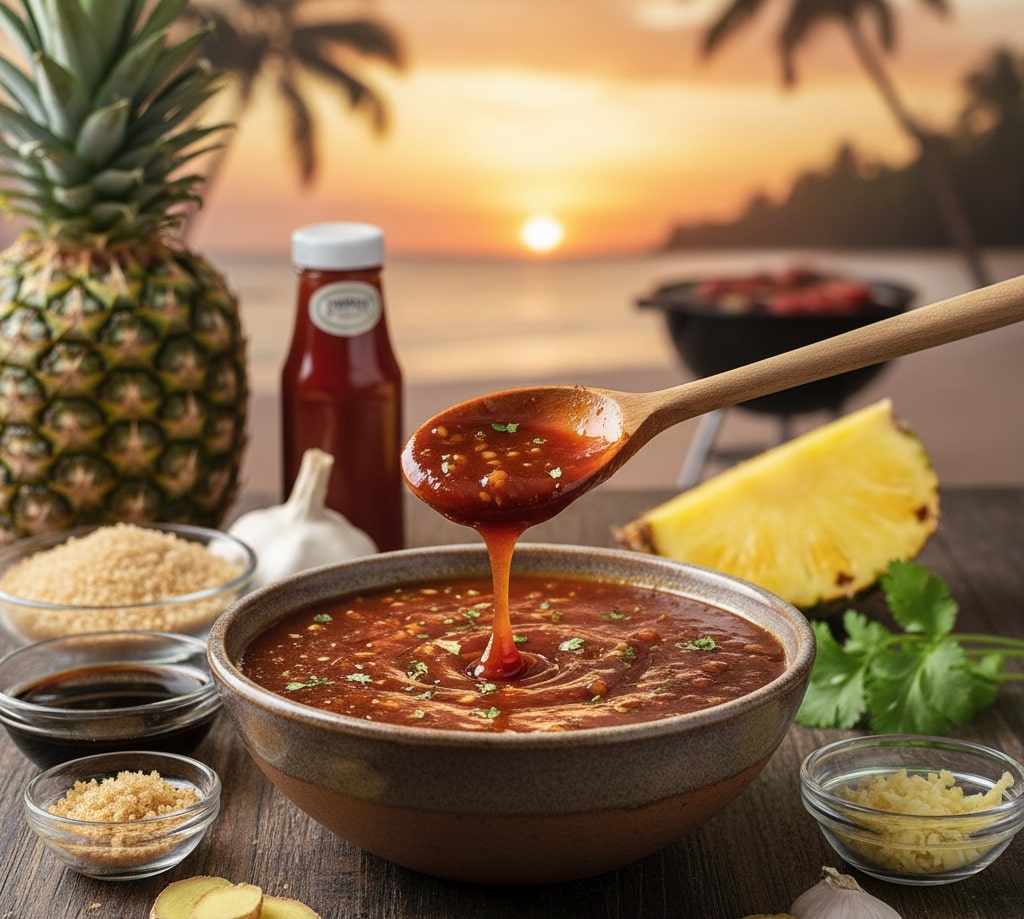
The Base:
- 1 cup pineapple juice (not from concentrate)
- 1/2 cup ketchup
- 1/4 cup shoyu
- 1/4 cup brown sugar
- 2 tbsp rice vinegar
- 1 tbsp grated ginger
- 2 cloves garlic, minced
The Secret Weapon:
- 2 tbsp of the drippings from your cooked meat (this is non-negotiable)
Instructions:
- Combine all ingredients except drippings in a saucepan
- Simmer for 15-20 minutes until slightly thickened
- Stir in meat drippings
- Cool completely before using
Why This Works: The meat drippings create an emulsion that carries the smoky, meaty flavors throughout the sauce. This is the difference between a good sauce and a great one.
Easy Hawaiian BBQ Recipe You Can Make in Under 30 Minutes
Don’t have 12 hours to make kalua pork? No problem. Here’s a quick version that delivers on flavor without the wait:
Quick Hawaiian BBQ Chicken
Ingredients:
- 4 boneless, skinless chicken thighs
- 1/2 cup store-bought teriyaki sauce
- 1/4 cup pineapple juice
- 2 tbsp brown sugar
- 1 tbsp grated ginger
- 2 cloves garlic, minced
- 1 tbsp cornstarch mixed with 2 tbsp water
Instructions:
- Season chicken with salt and pepper
- Grill over medium-high heat for 5-6 minutes per side
- Meanwhile, combine teriyaki, pineapple juice, brown sugar, ginger, and garlic in a saucepan
- Bring to a simmer, then whisk in cornstarch slurry
- Cook until thickened (about 2 minutes)
- Brush sauce over chicken during last minute of cooking
Time-Saving Tip: Use pre-cooked rice from the night before or invest in a good rice cooker with a timer function. The chicken takes about 15 minutes total, so time your rice accordingly.
Hawaiian BBQ Marinade That Brings Island Vibes to Your Grill
This marinade works for everything from chicken to beef to pork. The key is the balance of sweet, salty, and acidic elements.
Ingredients:
- 1/2 cup shoyu
- 1/4 cup brown sugar
- 1/4 cup pineapple juice
- 2 tbsp sesame oil
- 2 tbsp grated ginger
- 4 cloves garlic, minced
- 1 tbsp rice vinegar
- 1 tsp sriracha (optional)
Instructions:
- Whisk all ingredients together
- Marinate meat for at least 2 hours (overnight for tougher cuts)
- Reserve some marinade for basting (boil it first if you’re paranoid about food safety)
Pro Tip: Add a splash of cola to your marinade. The phosphoric acid helps tenderize the meat, and the sugar promotes caramelization. This is a trick I picked up from a local Hawaiian BBQ joint that’s been in business for 40 years.
Grill Like a Local: Hawaiian BBQ Tips for Beginners
After eight years in the business, I’ve seen every grilling mistake imaginable. Here’s how to avoid the most common pitfalls:
1. Temperature Control is Everything
- High heat for searing
- Medium heat for cooking through
- Indirect heat for larger cuts
2. Don’t Be Afraid of Char
Those blackened bits aren’t burnt—they’re flavor. Embrace the char, especially on teriyaki chicken.
3. Let It Rest
I know it’s tempting to dig in right away, but let your meat rest for 5-10 minutes before slicing. This allows the juices to redistribute.
4. The Sauce Goes On At The End
As my old boss Keoni taught me, sauce belongs on the side or brushed on during the last minute of cooking. Otherwise, you’ll burn the sugar and end up with bitter, charred meat.
The L&L Phenomenon: How a Local Chain Conquered the Mainland
No discussion of Hawaiian BBQ would be complete without mentioning L&L Hawaiian BBQ. What started as a single location in Honolulu has grown into a global phenomenon, with over 200 locations worldwide. But here’s what most people don’t know: their success wasn’t an accident.
L&L’s expansion strategy targeted areas with large Filipino and Pacific Islander populations first. These communities already understood and craved the flavors of plate lunch, creating a built-in customer base. From there, word spread to the broader population.
Insider Tip: The best L&L locations aren’t in Hawaii—they’re in places like Las Vegas and California, where competition forced them to up their game. The Las Vegas location on Spring Mountain Road serves a mean chicken katsu that would make my old boss Keoni nod in approval.
Finding Authentic Hawaiian BBQ Near You
When searching for “Hawaiian BBQ near me,” here’s what to look for:
- The Rice Test: Ask for a sample of plain rice. It should be sticky but not mushy, with distinct grains.
- The Sauce Situation: Teriyaki sauce should be served on the side, not drowning the meat.
- The Client Base: Are there actual Hawaiians or Pacific Islanders eating there? That’s usually a good sign.
- The Mac Salad: Should be creamy but not soupy, with visible bits of carrot and onion.
Personal Anecdote: I once visited an “Aloha Hawaiian BBQ” in Arizona that served their kalua pig with coleslaw instead of cabbage. When I asked why, the owner said, “That’s how they like it here.” That’s not adaptation; that’s surrender.
The Ohana Hawaiian BBQ Difference
While L&L gets most of the attention, Ohana Hawaiian BBQ has been quietly building a loyal following. Founded in Southern California, Ohana differentiates itself with slightly larger portions and a more extensive menu that includes Filipino favorites like pancit and lumpia.
What sets Ohana apart is their commitment to consistency. Their teriyaki sauce recipe hasn’t changed in 15 years, and they still hand-cut their chicken katsu instead of using pre-cut portions. It’s these small details that keep regulars coming back.
The Future of Hawaiian BBQ
As we look ahead, I see three major trends shaping the future of Hawaiian BBQ:
- Health-Conscious Options: Traditional plate lunches aren’t exactly diet food. Forward-thinking restaurants are offering brown rice substitutions and grilled instead of fried proteins.
- Plant-Based Alternatives: I recently tried a vegan version of kalua pork made from jackfruit that was surprisingly authentic.
- Fusion Creations: The next generation of Hawaiian chefs is pushing boundaries, combining traditional flavors with modern techniques.