I was a young cook, full of textbook knowledge but zero real-world speed, working the wok station in a chaotic Cantonese restaurant in San Francisco. The wok master, a man named Lao who moved with a quiet, humming intensity, watched me struggle. My stir-fries were pale, watery, and lifeless. He stopped me, pointed to my wok, and said, “Your wok is not breathing. It has no wok hei.”
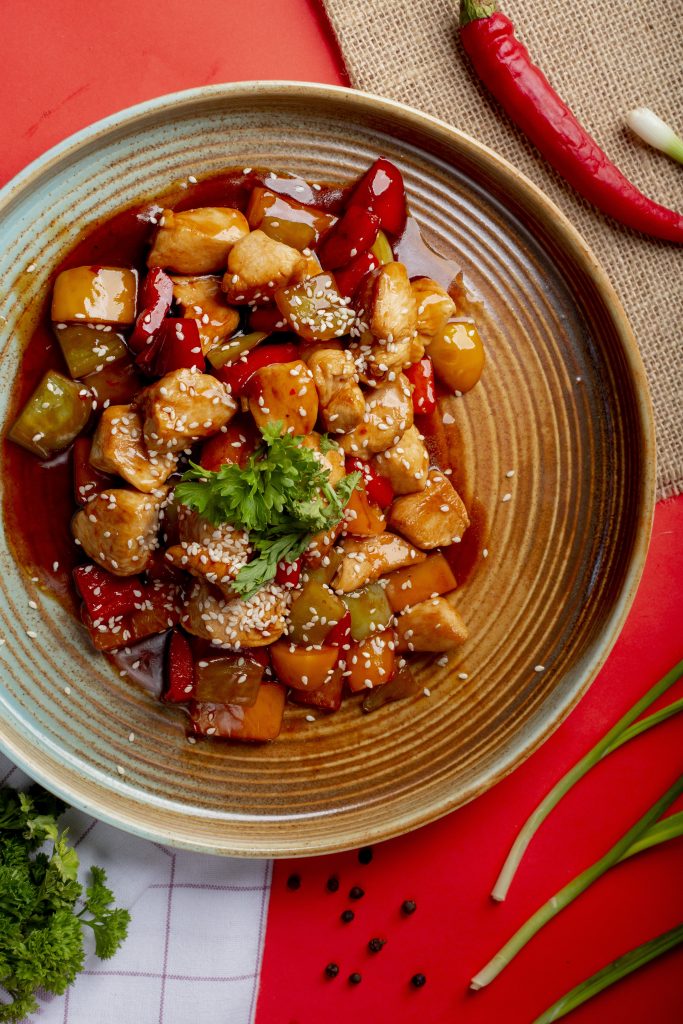
He then took my wok, put it back on the roaring flame, and added a swirl of oil. It shimmered and smoked just slightly. He tossed in the garlic and ginger, and the fragrance that erupted was not just cooked garlic; it was something more alive, more perfumed. “That,” he said, “is the breath. You must cook with the breath.” In that moment, I understood. A great spicy pork stir fry is not a recipe; it’s a performance. It’s a dance with fire, speed, and a deep understanding of flavor.
For decades, I’ve carried that lesson. I’ve seen home cooks follow countless spicy pork stir fry recipes and end up with a steamed, sad pile of meat and vegetables. They’re missing the soul. This guide is not just a list of ingredients. It’s your masterclass in the philosophy, the technique, and the “breath of the wok” that will transform your stir-fries from mundane to magnificent. We’ll break down the core principles, build the ultimate sauce, and then apply them to classic Chinese and Korean styles.
The Flavor Trinity: The Three Pillars of Every Great Stir Fry
Before we even light the stove, we need to understand the architecture of flavor. Every unforgettable spicy pork stir fry, whether it’s a Chinese classic or a Korean spicy pork stir fry, is built on a trinity of three pillars. Miss one, and the whole structure collapses.
- The Protein (The Foundation): This starts with your choice of pork. Forget lean loin. You want pork shoulder or butt. Why? Fat. Fat is flavor, and it’s a carrier for all the other flavors in the dish. As it renders in the searing heat of the wok, it bastes the meat from the inside out, keeping it juicy and creating a rich sauce.
- The Insider’s Secret: Velveting. This is the restaurant technique that makes pork incredibly tender and succulent. Slice your pork thinly against the grain. Toss it in a bowl with a light coating of cornstarch, a splash of soy sauce, and a few drops of oil. Let it sit for 15 minutes. The cornstarch creates a protective barrier that seals in juices and gives the pork a silky, “velvety” texture.
- The Aromatics (The Perfume): This is the first thing that hits the hot oil and the first thing that hits your nose. It’s garlic, ginger, and scallions. But the secret is in the timing. You don’t just throw them in. You “bloom” them. Add them to your shimmering hot oil and cook for a mere 10-15 seconds, just until they become fragrant. This releases their essential oils into the fat, infusing the entire dish with their perfume before you even add the pork.
- The Heat (The Soul): This is what makes the dish “spicy.” But “spicy” is not one-dimensional. It’s a spectrum. The type of chili you use defines the entire character of the dish.
| Chili Source | Flavor Profile | Regional Style | The Insider’s Take |
|---|---|---|---|
| Gochujang (Korean) | Fermented, savory, sweet, and deeply earthy. | Korean | The soul of korean spicy pork stir fry. It’s not just heat; it’s a complex, umami-rich paste. |
| Doubanjiang (Chinese) | Salty, fermented, savory, and intensely funky. | Sichuan | The heart of spicy pork stir fry chinese. Use the broad bean paste with chili for a classic, fiery depth. |
| Sambal Oelek (Indonesian/Malaysian) | Fresh, sharp, bright, and vinegary. | Southeast Asian | Great for a fresher, brighter heat. Less earthy, more direct fire. |
| Dried Chili Flakes | Smoky, toasty, and straightforward heat. | Pan-Asian | Toast them in a dry pan first to awaken their oils before using. This adds a deeper, nutty flavor. |
Understanding this trinity is your first step. You’re not just cooking pork; you’re building a structure of flavor, texture, and aroma.
The Sauce Matrix: The Liquid Gold That Binds It All
If the trinity is your structure, the sauce is the soul that brings it to life. Most people just throw soy sauce and chili paste into the wok. This is a mistake. A great sauce is a balanced, pre-mixed elixir that you add at the precise moment. I call it the Sauce Matrix. Every great stir-fry sauce is a combination of five elements.
- The Savory Base: Soy sauce is the default, but think deeper. A combination of light soy (for salt and aroma) and dark soy (for color and molasses-like depth) is a professional standard. Oyster sauce adds viscosity and a briny, oceanic sweetness.
- The Sweetness: A touch of sweetness is non-negotiable. It balances the salt and the heat. Use rock sugar (it dissolves cleanly), honey, or mirin (a sweet Japanese rice wine that also adds a beautiful gloss).
- The Sourness: This is the secret weapon that most people miss. A splash of rice vinegar or black Chinkiang vinegar cuts through the richness of the pork and the fat, brightening the entire dish and making you want to take another bite.
- The Spicy Element: This is where you bring in your chosen chili source from the table above—Gochujang for a Korean dish, Doubanjiang for a Sichuan one.
- The Aromatic Finish & Thickener: A final drizzle of toasted sesame oil for nutty fragrance, added off the heat. And a cornstarch slurry (cornstarch mixed with cold water) to give the sauce that perfect, glossy consistency that clings to every piece of meat and vegetable.
The secret is to mix all these elements (except the sesame oil and slurry) in a small bowl before you start cooking. This is your spicy pork stir fry sauce recipe. Having it ready means you can add it in a single, decisive move when the time is right, which is crucial in the high-speed world of stir-frying.
The Blueprints: Applying the Principles to Classic Dishes
Now that you have the framework, you can create any dish. Here are three blueprints that apply the principles.
Blueprint 1: The Sichuan Fire (Spicy Pork Stir Fry Chinese)
This is a fiery, numbing, and deeply savory classic.
- Prep: Velvet 1 lb of thinly sliced pork shoulder. Prepare your Sauce Matrix using 2 tbsp light soy, 1 tsp dark soy, 1 tsp sugar, 1 tbsp Doubanjiang chili bean paste, 1 tsp Chinkiang vinegar, and ½ cup chicken stock. Mix your cornstarch slurry (1 tsp cornstarch, 2 tbsp water). Have aromatics ready: 3 sliced garlic cloves, 1 tbsp sliced ginger, and a handful of dried red chilies.
- The Cook: Heat your carbon steel wok until it’s smoking. Add oil, swirl, and bloom your aromatics and dried chilies for 15 seconds. Add your pork and spread it in a single layer. Let it sear for 60 seconds without moving to get a deep brown crust. Then, stir-fry for another minute until just cooked through.
- The Finish: Add your pre-mixed sauce. It will bubble and thicken instantly. Add your cornstarch slurry and stir until glossy. Finish with a drizzle of toasted sesame oil and a sprinkle of Sichuan peppercorns for that signature málà (numbing and spicy) tingle.