Many years on hot lines, patios, and competition circuits taught me two truths about grilled chicken. First: it’s simple only when you understand it. Second: most “dry chicken” horror stories come from one of a few predictable mistakes. This guide is my insider playbook—what works when you’re cooking for 2 or 200; what separates “pretty good” from “I had no idea chicken could taste like this.” Expect specifics you can actually use, not vague “season well and grill hot” advice.
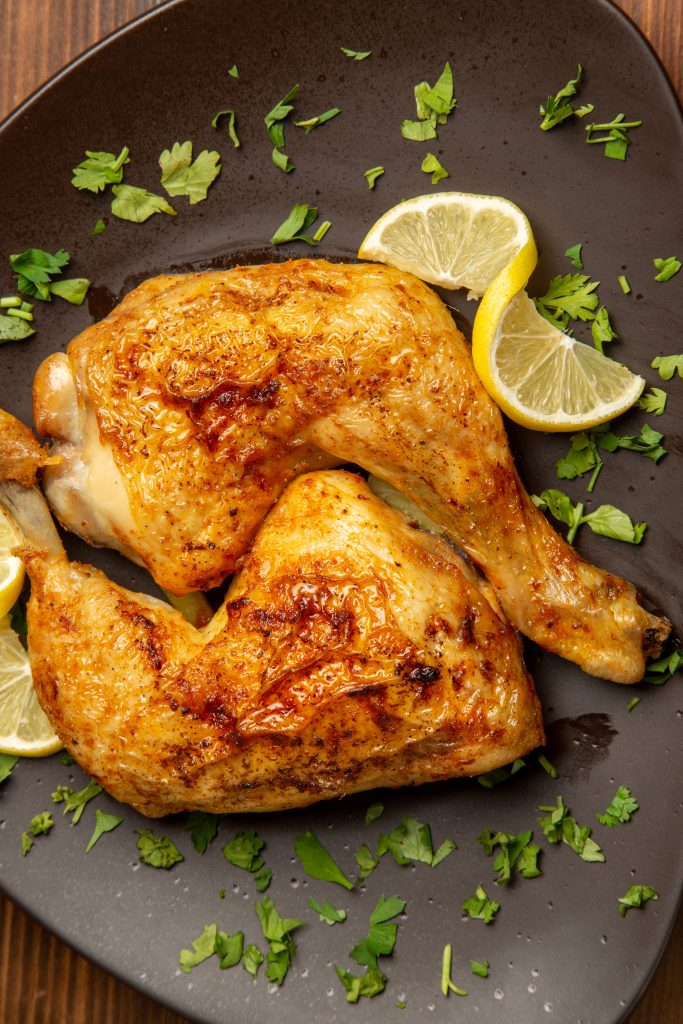
Grilled Chicken: Simple Tips for Tender, Juicy Perfection
These “simple” tips are ones I watch even experienced cooks overlook:
- Even thickness wins. Pound breasts to 3/4-inch thick so they cook evenly. Lopsided breasts give you a dry tail and undercooked center.
- Salt by weight, not by vibe. For boneless skinless cuts, aim for 0.8–1.2% salt by weight when dry-brining. That’s 8–12 grams per kilo of meat. Looks minimal, delivers consistent seasoning and moisture retention without “hammy” texture.
- Oil the meat, not the grates. You’ll get better browning with less flare-up. A thin film of high smoke-point oil on the chicken acts like training wheels.
- Keep sugar in balance. Sugar accelerates browning but burns above ~350°F surface temperature. If your marinade is heavy on honey or brown sugar, finish glazing in the last 2–3 minutes over indirect heat.
- Rest smarter. Breasts don’t need a long rest (2–4 minutes is enough); thighs benefit from 5–7 minutes. Tent loosely to avoid steaming the crust.
What Makes Grilled Chicken So Delicious? Expert Grilling Secrets
If you’ve ever wondered why some grilled chicken tastes “rounder,” umami-rich, and more satisfying, it’s not just salt and smoke. It’s this stack:
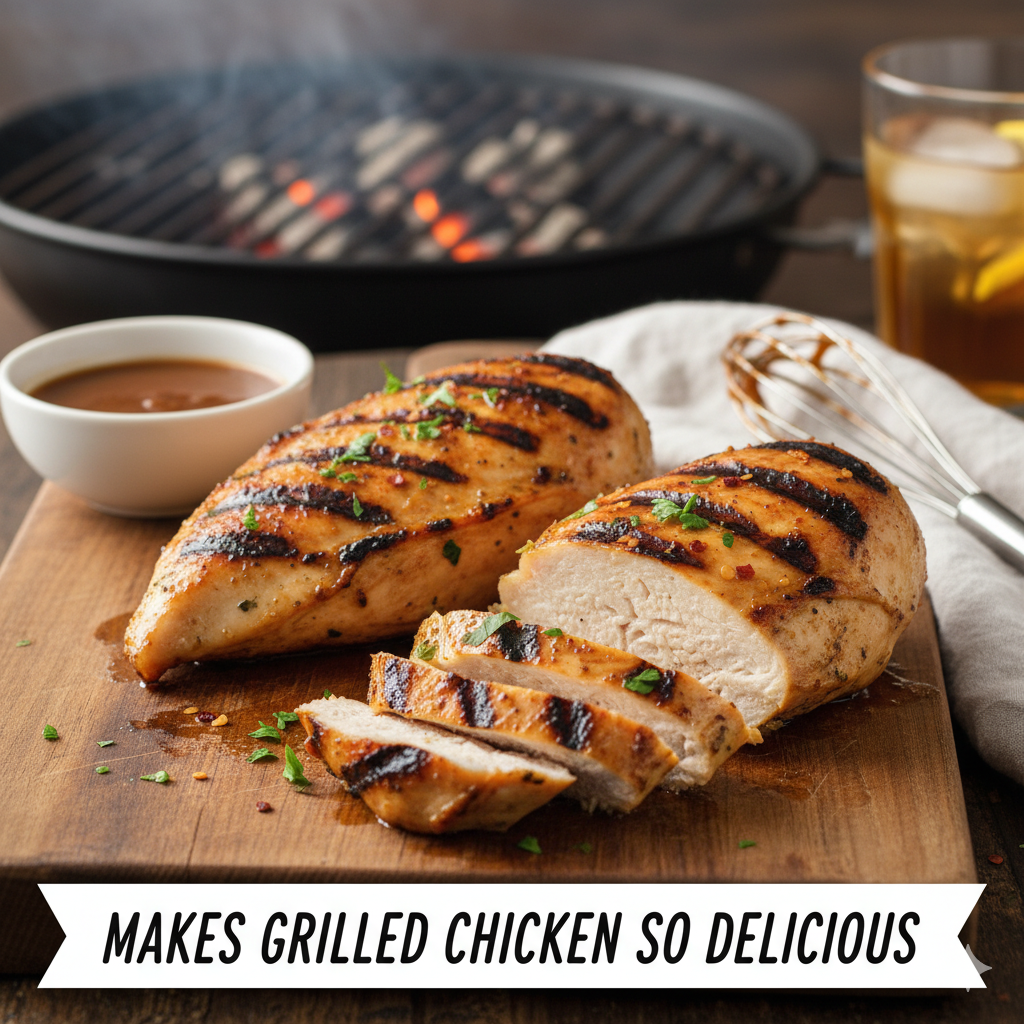
- Maillard management: Your sweet spot is steady, high heat that browns the surface without carbonizing. Aim for surface temps ~350–450°F. It’s not guesswork—if the grill grates sizzle instantly and you see light wisping smoke, you’re there.
- Umami synergy: A drop of fish sauce or soy in the marinade (or glaze) deepens flavor without “tasting Asian.” Inosinate from chicken meets glutamates from soy/fish sauce for a 1+1=3 effect.
- Aromatic fat: Baste with herb butter, ghee, or olive oil plus crushed garlic toward the end. Fat carries flavor and protects the surface from drying while heat drives aromatics in.
- Smoke timing: For delicate cuts like breasts, add smoke early when the proteins are still “sticky” and receptive. Apple, cherry, or a touch of hickory works. Too much mesquite will bully your seasoning.
Grilled Chicken: A Healthy and Flavorful Protein Option for Any Meal
Chicken’s health halo comes from being adaptable. You can go ultra-lean with grilled chicken breast over a salad, or aim for sustained satiety with grilled chicken thighs and a grain bowl. Insider note: if you’re tracking macros, weigh cooked chicken for accuracy; raw-to-cooked yield varies by cut (breasts lose more water than thighs).
Approximate nutrition per 100g (cooked, skinless):
- Chicken breast: ~165 kcal, 31g protein, 3.6g fat
- Chicken thighs: ~209 kcal, 26g protein, 10.9g fat
Make it healthier without making it boring:
- Use citrus-herb rubs and fresh sauces (chimichurri, salsa verde, tzatziki) to drive flavor without sugar.
- Grill over moderate heat to avoid excessive charring; trim visible fat to reduce flare-ups.
- Rotate between grilled chicken breast, grilled chicken thighs, drumsticks, and even spatchcocked chicken for nutritional and flavor variety.
Cut, Sourcing, and Prep: Choosing the Right Chicken
This is one of those “I haven’t seen this perspective before” areas: the bird you choose decides your ceiling.
- Air-chilled chicken: Tastes cleaner, browns better. Water-chilled birds can carry extra moisture that steams instead of sears on the grill.
- Size matters: Smaller breasts (6–8 oz) cook more evenly than the giant 12 oz “football” breasts. If the big ones are all you’ve got, split them horizontally and pound to even thickness.
- Skin-on vs skinless: Skin is a flavor engine if you manage flare-ups and dry the surface well. For crisp skin, leave it uncovered on a rack in the fridge for 8–24 hours, then grill skin-side down to set, finish indirect.
- Bone-in = insurance: Bone-in thighs and drumsticks are more forgiving and harder to overcook. They also taste more “chicken-y” thanks to marrow and collagen. If I’m cooking for a crowd, I go bone-in thighs 9 times out of 10.
Seasoning Strategy: Brines, Rubs, and Marinades (and what they actually do)
There’s mythology around marinades. Here’s the pragmatic science:
- Salt penetrates. It dissolves muscle proteins, increases water retention, and improves tenderness.
- Acid mostly flavors the surface. Too much acid for too long will toughen the exterior (hello rubbery chicken).
- Oil carries fat-soluble aromatics and helps browning, but it doesn’t “seal in” moisture.
- Sugar speeds browning but can burn if used too early over direct heat.
- Aromatics (garlic, herbs, spices) stay near the surface. That’s okay—flavor lives at the crust.
Use the right tool for your goal:
- Dry brine if you want clean, versatile chicken that takes on smoke and crusts beautifully. 0.8–1.2% salt by weight, uncovered, 2–24 hours in the fridge.
- Wet brine if your chicken is very lean or previously frozen. 5–6% salt solution for 2–4 hours for breasts; 6–8 hours for thighs. Rinse lightly and pat dry. Wet brines can mute surface browning a touch.
- Marinade when you want a specific flavor profile and slight surface tenderization. Keep acid under control (1–3% of total marinade by weight is plenty), and watch sugars.
Simple, reliable rub ratio (by weight, for 1 kg chicken):
- 10 g kosher salt
- 3 g smoked paprika
- 2 g ground coriander
- 1 g black pepper
- 1 g garlic powder
- 0.5 g cumin
- Optional: 1 g brown sugar for faster browning (finish indirect to avoid scorching)
Insider trick: Add a few drops of fish sauce to your rub as a paste for thighs. It won’t taste fishy; it will taste “savory.”
Equipment, Fuel, and Setup: Your Grill, Your Rules
I’ve cooked grilled chicken on just about everything. The tool isn’t the bottleneck—process is. But different rigs have distinct strengths:
- Gas grill: Convenience king. Ideal for weeknights and precise two-zone setups. Preheat at least 15 minutes; clean and preheat grates until they’re nearly non-stick.
- Charcoal kettle (Weber-style): Flavor workhorse. Bank coals to one side (two-zone), vent top over the cool zone to pull smoke across the meat. Add a small chunk of apple or cherry wood for finesse.
- Kamado (ceramic, e.g., Big Green Egg): Moist environment, excellent heat retention. Great for whole spatchcocked chickens at 375–425°F.
- Pellet grill: Set-and-forget. Lighter sear; you may want to finish briefly over a screaming-hot cast-iron griddle for crust.
- Infrared/broiler or plancha: Killer for skewers and boneless cuts; finish with a quick kiss of open flame for smoke.
Wood pairings (use sparingly for chicken):
- Apple/cherry: Gentle, slightly sweet smoke.
- Pecan/hickory: Stronger, bacon-y vibe. Small chunks only.
- Mesquite: Easy to overdo; use for thighs/drums in small doses.
Two-zone fire is non-negotiable for consistency. Direct zone for sizzle and color; indirect zone for gentle finishing without flare-ups.
Technique Fundamentals: Heat, Flips, and Flare-ups
- Grill temp: Aim for a 425–450°F dome temp for most chicken. Slightly cooler (375–400°F) for sugary glazes and skin-on pieces to avoid scorching.
- Lids are levers. Lid down = convection and smoke retention = faster, more even cooking. Lid up = aggressive sear but more risk of drying.
- Flip guide: For boneless pieces, flip every 2–3 minutes over direct heat to build even color without hot spots, then move indirect. For bone-in, set the skin (3–5 minutes, minimal movement), then finish indirect.
- Flare-up control: Keep a “cool zone” empty and a spray bottle handy. But better than spraying is prevention—trim excess fat, keep grates clean, and avoid dripping marinade directly onto coals.
- Baste late: Butter or sugary glazes go on in the last 3–5 minutes, mostly over indirect heat. This sets a lacquer without burning.
Food Safety and Juiciness—Finding the Overlap
The USDA recommends 165°F for chicken. That’s the safe instant-kill temperature for salmonella. There’s also a time-and-temp path where slightly lower temps are safe if held longer. If you want to explore that, read an evidence-based breakdown here:
- USDA safe minimum internal temperatures: https://www.foodsafety.gov/food-safety-charts/safe-minimum-cooking-temperature
- Serious Eats pasteurization primer (on chicken temps and time): https://www.seriouseats.com/the-food-lab-chicken-safety-temperature
In restaurants, we generally pull:
- Breasts at 155–158°F, rest to 160–162°F (juicy, safe via carryover and time).
- Thighs at 175–180°F (collagen melts; texture becomes buttery).
How to Make Perfect Grilled Chicken (Step-by-Step Recipe)
This is the “base method” I’d hand to any cook on my team. Adjust seasoning and sauces to taste.
You’ll need:
- 4 chicken breasts (6–8 oz each), or 8 boneless thighs
- Kosher salt (Diamond Crystal preferred)
- 1–2 tbsp neutral oil (avocado/canola)
- Optional rub or marinade (see recipes below)
- Instant-read thermometer
- Grill set up for two zones
Prep (Dry Brine and Even Thickness)
- Trim and even: Trim any visible sinew. For breasts, butterfly or lightly pound to ~3/4 inch thickness for even cooking.
- Salt by weight: Season with 0.8–1.2% salt by weight (about 1–1.5 tsp Diamond Crystal per lb). If using a salty marinade later, go on the low end of salt now.
- Rest: Refrigerate uncovered on a wire rack for 2–12 hours. This dries the surface for better browning. If you’re tight on time, even 30 minutes helps.
Grill Setup
4) Preheat: Heat the grill to medium-high (425–450°F). Create a two-zone fire: hot direct zone and a cooler indirect zone.
5) Clean and oil: Scrape the grates, then oil them lightly. Oil the chicken lightly too.
Cook
6) Sear direct: Place chicken over direct heat. For breasts, 2–3 minutes per side to develop color, flipping twice (total ~6–8 minutes). For thighs, 3–4 minutes per side.
7) Finish indirect: Move to the indirect zone, lid down. Cook to target temp—155–158°F for breasts, 175–180°F for thighs (bone-in thighs may take longer).
8) Optional baste: In the last 3–5 minutes, brush on butter/garlic or a glaze. Keep mostly over indirect heat to set, not burn.
Rest and Serve
9) Rest: Breasts 2–4 minutes; thighs 5–7. Slice breasts across the grain. Spoon over finishing sauce (chimichurri, salsa verde) for insurance-level juiciness.
Personal note: On catering gigs, we set a metronome with tongs—flip every 2 minutes like clockwork to track color and timing across 40+ pieces. No guesswork.
Easy Grilled Chicken Recipe You Can Make in Under 30 Minutes
When time is tight, skip a wet marinade. Use a fast dry brine, mayo-crust trick, and high heat.
Ingredients (serves 4)
- 4 small chicken breasts, pounded to even thickness
- 1.5 tsp Diamond Crystal kosher salt (adjust if using Morton)
- 1 tsp smoked paprika
- 1/2 tsp garlic powder
- 2 tbsp mayonnaise
- 1 tsp lemon zest
- 1 tbsp olive oil
Method
- Season: Mix salt, paprika, and garlic powder. Season chicken on both sides.
- Quick crust: Mix mayo, lemon zest, and olive oil. Lightly brush a thin film on the top side of each breast. This turbo-charges browning and moisture.
- Grill: Sear mayo-side down over direct heat 2–3 minutes (color will pop). Flip and sear 2–3 minutes. Move indirect and cook to 155–158°F.
- Rest 2–3 minutes, squeeze lemon over, serve.
Insider explanation: The mayo layer is seasoned oil and emulsified fat that clings to the surface. It doesn’t taste like mayo; it tastes like “how did you get that crust on a Tuesday?”
The Secret to Juicy, Flavor-Packed Grilled Chicken Every Time
Here’s the “unsexy” secret: control variables you can’t taste. Thickness, salt %, grill temperature, and thermal carryover. Do those consistently and you can freestyle everything else.
- Thickness: Keep everything ~3/4 inch for boneless; bone-in thighs average 1–1.25 inches.
- Salt: 1% by weight baseline.
- Grill temp: 425–450°F dome; two-zone setup.
- Finish temps: 155–158°F breasts; 175–180°F thighs.
- Rest: Short for breasts; longer for thighs.
- Finishing sauce: Add a fresh acid/herb hit after cooking to reset “brightness.”
Best Grilled Chicken Marinade Recipe – Sweet, Smoky, and Savory
This is the marinade we used to win over “sweet BBQ” crowds while keeping the pros happy. It layers umami and smoke without turning into candy.
For 2 lb chicken (breasts or thighs):
- 3 tbsp soy sauce or tamari
- 1 tbsp fish sauce
- 2 tbsp maple syrup or dark brown sugar
- 1 tbsp smoked paprika
- 1–2 tsp chipotle in adobo, minced (adjust heat)
- 2 tbsp apple cider vinegar
- 2 tbsp neutral oil
- 3 cloves garlic, grated
- 1 tsp grated fresh ginger
- 1 tsp black pepper
- Optional: zest of 1 orange for citrus high note
Directions
- Whisk to combine. Marinate 45–90 minutes for breasts, 2–4 hours for thighs. Remove, pat lightly dry (don’t scrape off everything), and grill as above.
- Pro move: Reserve some marinade (before adding raw chicken) and simmer it for 2–3 minutes to use as a finishing glaze in the last minutes over indirect heat.
Flavor notes and science:
- Soy + fish sauce = umami backbone.
- Maple/brown sugar = caramel notes but manage heat to avoid scorching.
- Chipotle = smoke and heat that carries through grilling.
- Vinegar = brightness without harsh acid burn.
Healthy Grilled Chicken Recipe for a Quick Weeknight Dinner
Mediterranean Lemon-Oregano Chicken Bowls
For 2 lb boneless skinless chicken thighs:
- 2 tsp Diamond Crystal kosher salt
- 1 tsp dried oregano (or 2 tsp fresh, chopped)
- 1 tsp coriander
- 1/2 tsp black pepper
- 2 tbsp lemon juice + 1 tsp lemon zest
- 2 tbsp olive oil
- 2 cloves garlic, microplaned
Directions
- Toss chicken with all ingredients; rest 20–30 minutes (or up to 4 hours).
- Grill over medium-high heat: 3–4 minutes per side direct, then finish indirect to 175–180°F.
- Serve over couscous or farro with cucumber-tomato salad and tzatziki.
Nutrition-smart notes:
- No sugar; flavor comes from aromatics and acid.
- Thighs provide better satiety for active days.
- Leftovers slice perfectly for a grilled chicken sandwich the next day.
Cut-Specific Playbooks (Breasts vs Thighs vs Skin-On)
Grilled Chicken Breast (boneless, skinless)
- Biggest risks: drying out, lopsided cooking.
- Solution set: Pound even, dry brine, high-heat sear then indirect finish, pull at 155–158°F.
- Pro trick: Compound butter coin melts on top during rest (parsley, lemon, garlic). It’s like a sauce without a sauce.
Grilled Chicken Thighs (boneless or bone-in)
- Benefits: Forgiving, flavor-packed.
- Boneless: Quick sear to mark both sides, then indirect to 175–180°F.
- Bone-in skin-on: Start skin-side down over medium heat to render and crisp for 6–8 minutes; move indirect, finish to temp. Dusting skin lightly with baking powder (not soda) after salting can raise pH and help crisping.
Grilled Drumsticks
- Ideal for crowds. Rub heavily; cook most of the time indirect to prevent burning, then finish with a quick direct sear.
- Target 180°F for pull-off-the-bone texture.
Whole Spatchcocked Chicken
- Remove backbone, flatten, and dry overnight uncovered. Grill at 400–425°F, skin-side up indirect, with occasional baste, then finish skin-side down briefly to crisp. Target: 160°F breast, 175–180°F thighs.
Common Pitfalls Even Pros Make
- Over-acidic marinades for too long: Mushy outside, tight inside. Keep acid 1–3% of marinade and time reasonable.
- Dirty grates: Bitter, uneven marks. Scrub hot grates with a brush or crumpled foil.
- Ignoring carryover: Breasts will jump 3–5°F after pulling; thighs less so. Pull accordingly.
- Oiling the grill but not the meat: Oil burns off the grates; oil adheres to the chicken.
- Thin sauces too early: They drip, flare, and scorch. Glaze late over indirect heat.
Tables You’ll Actually Use
- Salt and Brine Quick Reference
| Cut | Dry Brine (Salt % by weight) | Time | Wet Brine (Salt % solution) | Time |
|---|---|---|---|---|
| Boneless breast | 0.8–1.2% | 2–12 h | 5–6% | 2–4 h |
| Boneless thigh | 1.0–1.3% | 2–24 h | 5–6% | 4–6 h |
| Bone-in thigh | 1.0–1.3% | 4–24 h | 6% | 6–8 h |
| Drumstick | 1.0–1.3% | 4–24 h | 6% | 6–8 h |
- Target Temps and Typical Times (Guideline—use a thermometer)
| Cut | Direct Sear | Indirect Finish | Pull Temp |
|---|---|---|---|
| Boneless breast (3/4″) | 2–3 min/side | 4–8 min | 155–158°F |
| Boneless thigh | 3–4 min/side | 6–10 min | 175–180°F |
| Bone-in thigh | 4–6 min skin-side | 12–18 min | 175–180°F |
| Drumstick | 3–4 min/side | 15–20 min | 180°F |
- Wood Pairings (use small chunks)
| Wood | Flavor | Best With |
|---|---|---|
| Apple | Mild, sweet | Breasts, skin-on pieces |
| Cherry | Mild, rosy hue | Thighs, whole chicken |
| Pecan | Rich, nutty | Thighs, drumsticks |
| Hickory | Strong, bacon-like | Thighs in moderation |
| Mesquite | Intense, can be bitter | Sparingly with thighs |
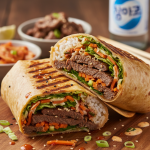
Grilled Chicken Sandwich: Building a Crave-Worthy Stack
A great grilled chicken sandwich isn’t just grilled chicken slapped on bread. It’s heat, fat, acid, crunch, and bread that can take a hit.
Blueprint:
- Bread: Lightly toasted brioche or potato roll (or sturdy ciabatta if saucing heavy).
- Chicken: Boneless thigh for juiciness; breast if you want leaner. Aim 5–6 oz cooked weight per sandwich.
- Cheese: Optional slice of provolone or white cheddar (melt in the last minute, lid down).
- Sauce: Tangy element like chipotle mayo, herb aioli, or honey-mustard yogurt.
- Crunch: Shredded iceberg or cabbage slaw for durability.
- Pickle/acid: Dill pickles, quick pickled onions, or tomato if in season.
Real-world tip: Brush the cut sides of the bun with a little mayo and griddle-toast. It resists sogginess better than butter.
Copycat-Style: Chick-fil-A Grilled Chicken Sandwich (inspired, not exact)
You’re chasing clean, lemon-herb, lightly smoky chicken with a distinctly juicy bite.
Marinade (for 2 lb breasts or thighs):
- 1.5 tsp kosher salt
- 1 tsp sugar or honey
- 1 tbsp lemon juice + 1 tsp zest
- 1 tsp garlic powder
- 1 tsp onion powder
- 1/2 tsp black pepper
- 1 tbsp neutral oil
- 1 tsp apple cider vinegar
- 1/4 cup unsweetened apple juice (sub white grape juice) for gentle sweetness
Method:
- Marinate 30–90 minutes. Grill hot and fast to 155–158°F (breasts) or 175–180°F (thighs).
- Serve on toasted bun with lettuce, tomato, and honey-roasted BBQ-style sauce or a light herb mayo.
Note: Some home copycats use pickle juice; that skews flavor toward fried-chicken territory. For the grilled vibe, keep it citrus-herb and lightly sweet.
Grilled Chicken Margherita (Olive Garden inspired)
You’re aiming for basil, mozzarella, and tomato brightness over lemon-garlic herb chicken.
Marinade:
- 2 tbsp olive oil
- 1 tbsp lemon juice + 1 tsp zest
- 2 cloves garlic, grated
- 1 tsp kosher salt
- 1/2 tsp dried Italian herbs (or fresh basil + oregano, chopped)
- Pinch chili flakes
Cook:
- Marinate breasts 30–60 minutes.
- Grill to 155–158°F. In the last 2 minutes, add a slice of fresh mozzarella, lid down to melt.
- Top with sliced cherry tomatoes, basil chiffonade, and drizzle of balsamic reduction or pesto.
Insider twist: Spoon a thin layer of basil pesto under the cheese so it melts into the chicken. It locks in moisture and punches basil flavor.
Grilled Chicken Marinade Matrix (Build Your Own)
Use this formula to riff without a recipe. For 2 lb chicken:
- Salt base: 1–1.5 tsp kosher salt (adjust if adding salty liquids)
- Umami backbone: 1–2 tbsp soy/tamari OR 1 tsp fish sauce OR 1 tbsp miso (dissolve)
- Acid: 1–2 tbsp citrus juice or mild vinegar
- Sweet: 1–2 tbsp honey, maple, or brown sugar (optional)
- Fat: 1–2 tbsp oil (olive/avocado)
- Aromatics: 2–3 cloves garlic, 1 tsp grated ginger OR 1 tsp smoked paprika + 1/2 tsp cumin
- Heat (optional): 1 tsp chili flakes, chipotle, or harissa
- Fresh herb: 2 tbsp chopped parsley/cilantro/dill to finish, not in the marinade
Marinate times:
- Breasts: 45–90 min
- Thighs: 2–4 hours
- Bone-in: 4–8 hours (keep sugar modest)
Step-by-Step Recap (Checklist)
- Buy smaller breasts or use thighs; aim for air-chilled if possible.
- Trim and pound to even thickness.
- Dry brine at 1% salt by weight; rack in fridge 2–12 hours.
- Preheat grill to 425–450°F; set two zones.
- Lightly oil chicken; add rub if using.
- Sear 2–4 minutes per side direct; finish indirect to temp.
- Optional late glaze; baste with herb butter.
- Rest; slice; add fresh sauce.