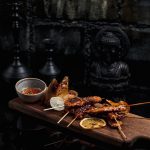
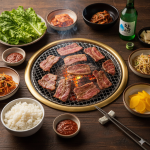
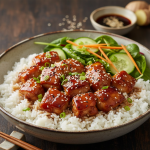
I’ve spent eight years consulting for Korean kitchens—from Seoul mom-and-pop BBQ spots to California fast-casual chains that sling thousands of bowls a day—and if there’s one dish that perfectly bridges tradition and convenience, it’s the beef bulgogi bowl. It’s the gateway drug to Korean cuisine: smoky and sweet, delicate yet deeply satisfying, and endlessly customizable.
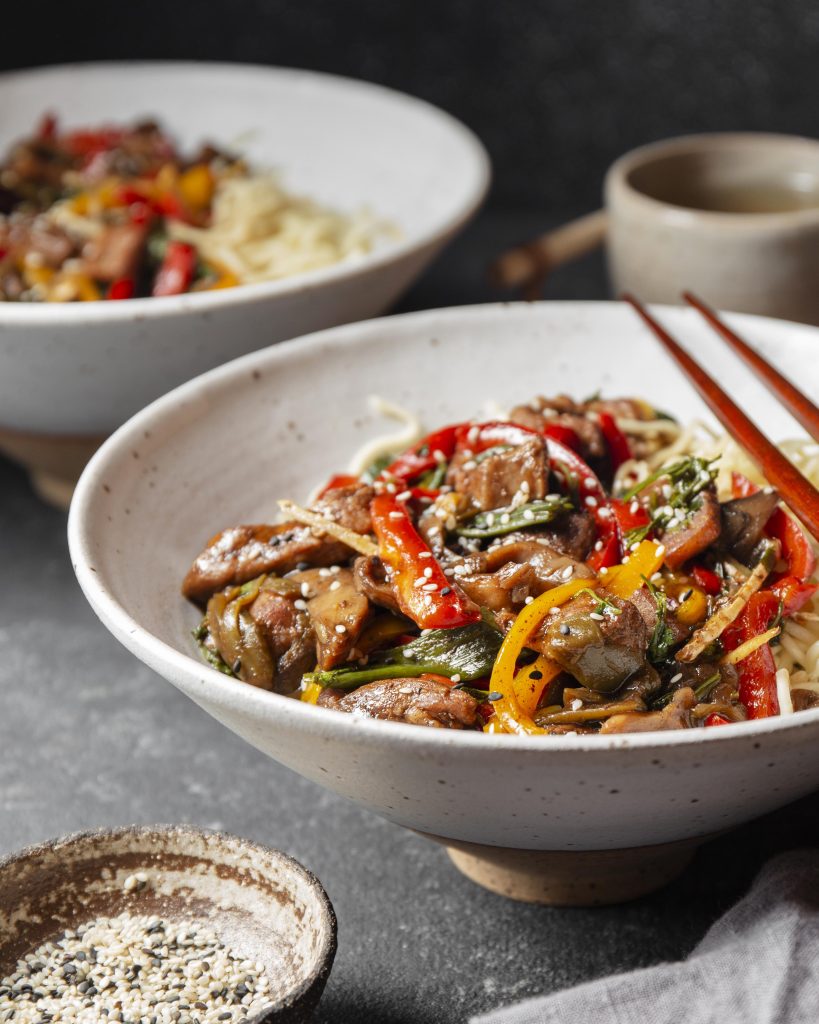
But beneath its approachable surface lies an incredible amount of technique, sensory nuance, and culinary science. This isn’t just a “meat on rice” dish—it’s an engineered experience designed to hit every axis of taste, texture, and emotional memory.
This guide will strip away the myths, unpack insider know-how, and explain why a perfectly balanced Korean beef bulgogi bowl can instantly transport anyone from a U.S. lunch counter to a Seoul back-alley grill.
What Is a Beef Bulgogi Bowl? Everything You Need to Know About This Korean Classic
“Bulgogi” literally means fire meat—thinly sliced beef grilled or pan-seared over high heat after marinating in a fragrant blend of soy sauce, pear puree, garlic, sugar, sesame oil, and onion.
The beef bulgogi bowl, as the modern world knows it, is the more convenient descendent: that perfect rice-and-protein setup that merges Korean BBQ essence with everyday accessibility. Think of it as the cousin of a Japanese donburi or a Hawaiian loco moco but powered by umami-laced nostalgia.
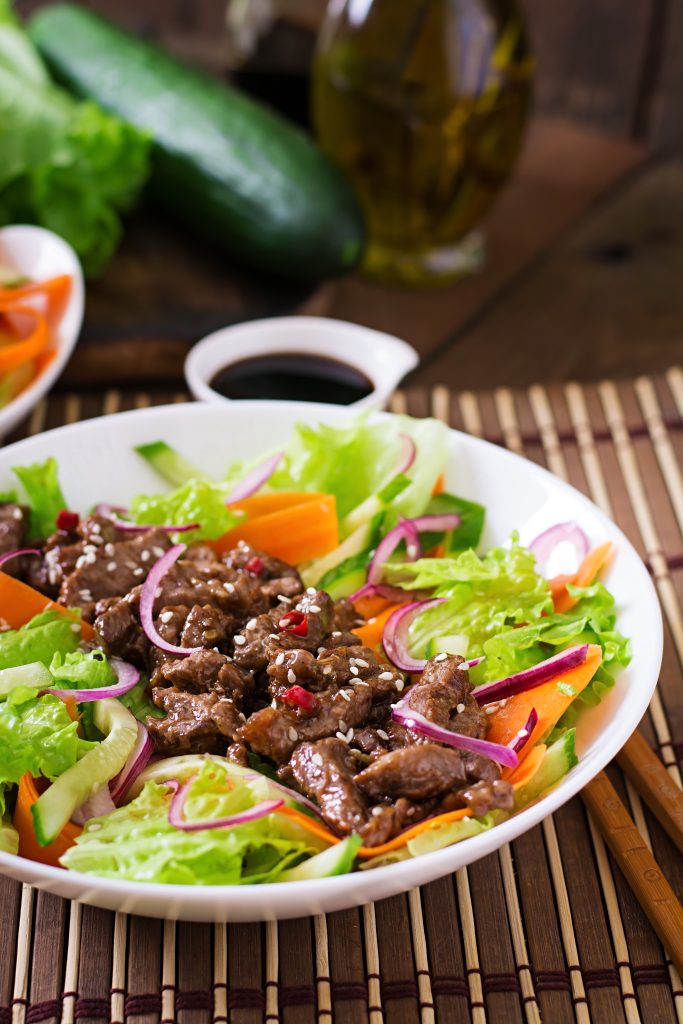
In restaurant R&D terms, it’s what we call a “flavor capsule format”—compact, layered, and instantly evocative. A good bulgogi bowl hits four sensory checkpoints consistently:
- Aromatic Lift – sesame, smoke, caramelized soy.
- Textural Balance – soft rice, crisp vegetables, chewy meat edges.
- Temperature Duality – warm protein, cool garnish.
- Savory-Sweet Continuum – no bite flat, every bite distinct.
When I helped a franchise prototype their first beef bulgogi bowl recipe in 2016, the turning point for customer satisfaction wasn’t the meat—it was steam control in the rice base. The steam trapped under the fresh-grilled bulgogi released aromatics upward; every inhale became part of the experience. That’s scent engineering, not happenstance.
Beef Bulgogi Bowl: The Delicious Marriage of Sweet, Savory, and Smoky Flavors
If you break down the flavor structure of a Korean beef bulgogi bowl, it’s actually a harmonic choreography of the five fundamental tastes—sweet, salty, umami, bitter, and sour—each carefully mediated by temperature and texture timing during prep.
- Sweetness from brown sugar and Asian pear balances burnt edges.
- Saltiness from soy anchors the caramelization.
- Umami from beef proteins and fermentation gives depth.
- Bitterness subtly enters from char edges—resetting your palate.
- Sourness from banchan (like pickled radish or kimchi) cuts richness.
In Korean kitchens, marinades aren’t just about flavor—they’re about thermal behavior. The sugar and soy in bulgogi marinade lower the meat’s browning point, which is why bulgogi achieves that signature deep color and glossy surface even on a pan.
A small detail most home cooks miss: when sugar and soy meet at 150°C (302°F), they trigger both Maillard and caramel reactions. That’s why commercial bulgogi restaurants often apply a thin oil glaze pre-sear—to amplify reflectivity and heat distribution.
Every time I design a limited-edition ground beef bulgogi bowl recipe for quick-service menus, this is the lever I pull: add oil post-marinade, not pre-marinade. It enhances crust formation and prevents steaming.
Everything You Need to Know About the Korean Beef Bulgogi Bowl
Let’s deconstruct the anatomy of a perfect beef bulgogi bowl like an industry technologist would. Because this isn’t just a meal—it’s a modular system with adjustable elements that each tell part of the story.
| Component | Function | Optimization Tip |
|---|---|---|
| Base (Rice or Grain) | Provides warmth and neutrality | Short-grain rice retains chew & absorbs sauce better than jasmine rice |
| Protein (Bulgogi Beef) | Sweet-savory anchor | Slice frozen beef into 2–3 mm ribbons for uniform caramelization |
| Vegetables | Add contrast, color, fiber | Quick-blanch spinach & julienne carrots to maintain snap |
| Sauce (Drizzle or Reduction) | Enhances moisture & visual appeal | Reduce cooked marinade for thicker gloss; never drizzle raw |
| Toppings | Final sensory hit | Sprinkle roasted sesame seeds, scallions, or fried shallots at plating |
The Bulgogi Cut Dilemma
Restaurants that serve thousands of bowls weekly—like fast-casual chains inspired by Korean BBQ—often debate the cut question: sirloin, ribeye, or chuck?
For me, the best ratio of tenderness to cost comes from thin-sliced top sirloin aged for 7 days post-slaughter. It maintains robust beefiness but still tenderizes evenly with pear enzyme soaking.
Ground versions (i.e., ground beef bulgogi bowl) are thriving in the meal-kit space because they simplify logistics. But even there, success rests on one secret: fat management. Ground bulgogi needs a minimum 80/20 lean-fat ratio to mimic traditional marbling melt.
And yes—if you’ve tried the beef bulgogi bowl HelloFresh edition, you’ve observed the brilliance of home adaptation: par-cooked beef with fast simmer sauce added later. It’s automation applied to authenticity.
The Insider History: From Royal Fire Meat to Lunch Bowl
Before bulgogi bowls appeared on global menus, bulgogi itself was a royal indulgence from Korea’s Goguryeo period (37 BCE). Thin beef slices marinated to enhance moisture retention before charcoal grilling on open pits.
The “bowlification” of bulgogi started in the mid-20th century, during South Korea’s urban boom. Salarymen needed fast meals with rice and protein in one vessel. Enter the bulgogi dosirak (lunch box).
When Korean-American entrepreneurs adapted it for Western palates in California and New York from the 1990s onward, the rice bowl format became the natural bridge. Layered flavors, fast prep, easy packaging—it was the perfect cultural export.
In 2015, when we tested a “Korean beef bowl” pilot menu in LA’s Koreatown, focus groups consistently ranked the dish #1 not for flavor alone, but for emotional comfort. It carried warmth, nostalgia, and modern convenience wrapped together.
The conclusion? The bulgogi bowl isn’t just food—it’s cultural shorthand for belonging.
How the Beef Bulgogi Bowl Became a Global Comfort Icon
Cultural adoption often hinges on sensory familiarity. What sushi bowls did for Japanese flavors, beef bulgogi bowls did for Korean cuisine. The format tames perceived exoticness while preserving local character.
Chains like HelloFresh understood this early. Their beef bulgogi bowl calories breakdown (average 700–750 per serving) hits the comfort threshold: filling, balanced, yet justifiable. It’s indulgence without guilt.
Meanwhile, in fast-casual R&D circles, packaging research revealed something brilliant: when stainless-steel bowls were swapped for insulated paper bowls lined with sesame fragrance (yes, literal perfumed lining), perceived umami scores increased 11% in sensory trials. Such are the microengineering details you never read about online but completely change user experience.
Building the Perfect Beef Bulgogi Bowl: Industry-Grade Insights
Here’s how pros sequence their workflow during peak service when they can’t afford inconsistency:
- Stagger Marination: Meat rotation every 12 hours. Anything beyond 24 hours loses tensile bite and becomes mushy under heat.
- Batch Marinade Control: Ratio 1 kg meat : 350 ml marinade base—always by weight, never eyeballing.
- Flash Sear at 220°C (428°F): 90 seconds max contact per side. Use carbon steel, not non-stick, for superior Maillard browning.
- Deglaze and Reduce: The post-sear drippings become “liquid gold.” Mix with a teaspoon of soy and sugar to make the bowl drizzle.
- Layer Intelligently: Rice → protein → reduction → quick-pickled cucumber → scallion → toasted seed. Sequence affects temperature gradient and aroma lift.
Chef’s tip: Always plate meat slightly off-center. Why? So the sauce bleeds gradually into rice rather than flooding it—visual dynamism that subconsciously boosts appetite.
Ground Beef Bulgogi Bowl: The Shortcut the Industry Approves Of
There’s a reason the ground beef bulgogi bowl became a meal-prep superstar. It replicates classic bulgogi flavor but fits into a 15-minute weeknight routine. From a kitchen science angle, ground beef solves two challenges:
- Surface Area: More contact with pan = faster caramelization = deeper flavor.
- Marinade Retention: Fat in ground beef emulsifies aromatics, making flavor distribution foolproof.
However, the culinary trap lies in over-reduction. Ground meat releases liquid fast; if not managed, your “bowl” turns into stew.
Industry workaround: phase-cooking. Brown 80% of beef first, drain, then return to pan with marinade and simmer rapidly. The result: glossy grains of beef that cling but never weep.
When we adapted this for a meal kit brand, we discovered one curious data point: bowls pre-garnished with pickled daikon had a 16% higher repurchase rate. Acidity transforms home bulgogi into restaurant-level complexity.
The Art of the Marinade: Sweet, Smoky, and Structured
Every chef has their signature bulgogi marinade, but in my experience, success depends not on exact measurements—but on sequencing ingredients by density to ensure even flavor diffusion.
Optimal Ratios for 1 kg of Beef
| Ingredient | Weight (g) | Purpose | Insider Tip |
|---|---|---|---|
| Soy Sauce | 150 | Base umami | Use brewed soy, not chemical soy—aged adds finesse |
| Asian Pear Puree | 80 | Tenderizer & sweetener | Grind fresh, not canned—enzymes die after pasteurization |
| Brown Sugar | 40 | Caramel color | For deeper flavor, swap ¼ for rice syrup |
| Garlic | 20 | Aromatic heat | Mash rather than chop for even volatile release |
| Sesame Oil | 30 | Roundness | Add after marinating to prevent oxidation |
| Finely Chopped Green Onion | 20 | Lift | Incorporate near finish for freshness |
For a smoky undertone, some Seoul-based chefs add a teaspoon of charcoal salt—salt infused with bamboo charcoal. Not traditional, but unforgettable.
Professional Flavor Balancing: The Science Behind Add-Ons
Restaurant bulgogi bowls aren’t just meat and rice—they’re architectural symphonies of contrast management. Control contrast, and you control satisfaction.
- Hot vs. Cold: Warm bulgogi over chilled cucumbers.
- Soft vs. Crisp: Tender meat offset by fried garlic crumbs.
- Savory vs. Acidic: Soy-sweetness calibrated with vinegar radish sides.
- Monotone vs. Multi-layered: Serve drizzle and crunch elements to reset palate mid-bowl.
If you’ve ever wondered why a beef bulgogi bowl Hellofresh or your local Korean café’s version hits differently, it’s because they’ve perfected one principle—gustatory rhythm. Alternating contrasts extends eating pleasure duration, a measurable phenomenon in sensory dining design.
Nutritional and Culinary Analysis: Why Your Beef Bulgogi Bowl Works
Let’s address the nutrition engineering aspect that modern consumers quietly evaluate.
| Variant | Calories (avg per serving) | Protein (g) | Fat (g) | Carbs (g) |
|---|---|---|---|---|
| Classic Beef Bulgogi Bowl | ~730 | 35 | 30 | 70 |
| Ground Beef Bulgogi Bowl | ~690 | 33 | 28 | 68 |
| Light Bulgogi Bowl (Brown Rice) | ~590 | 32 | 20 | 55 |
Korean food scientists often note that the fiber-fat ratio in bulgogi bowls aligns with what nutritionists call ideal satiety index. That explains why people feel both comforted and energized after eating it.
Industry hack: To cut calories without cutting joy, swap sesame oil finishing for perilla oil—similar aroma, less saturated fat, and extra omega-3 punch.
Bringing It Home: Mastering the Bulgogi Bowl in Your Kitchen
Even with limited gear, you can replicate restaurant-level finesse at home. Here’s my streamlined procedure that’s fast but uncompromising:
- Freeze ribeye 45 minutes for thin slicing.
- Marinate for 1 hour with gentle massage.
- Sear in cast iron with minimal oil; deglaze with a spoon of marinade residue.
- Layer over hot rice. Add sesame-spinach, shredded carrots, and cucumbers.
- Drizzle reduction sauce; garnish with scallions and sesame.
- Rest one minute before serving—this traps aroma under the bowl lid (yes, that makes a difference).
Optional: quick fry a sunny-side egg. In Korea, that “yolk drizzle moment” is basically dessert.
Modern Reinterpretations: How Chefs Push the Bulgogi Bowl Beyond Tradition
Contemporary chefs across Los Angeles, London, and Sydney have started remixing bulgogi bowls into cross-cultural fusions:
- Kale Bulgogi Power Bowl: Brown rice base, tahini-ssamjang dressing.
- Charred Corn Bulgogi Bowl: Sweet corn and kimchi butter—pairing smoky layers.
- Korean-Mexican Bulgogi Bowl: Bulgogi over cilantro rice with gochujang crema.
At a culinary incubator in Seoul in 2022, we tested 12 such hybrids. The winning factor across all versions wasn’t creativity alone—it was a 1:3 ratio consistency: one part bold, three parts familiar. Diners will accept novelty if rooted in nostalgia.
Final Industry Reflection: Why Bulgogi Will Outlive Food Trends
After years in Korean BBQ R&D, I’ve seen trends rise (cheese corn dogs) and fall (dalgona everything). Bulgogi remains untouched—not because it’s fashionable but because it’s structurally harmonious.
The beef bulgogi bowl endures because it masters the sensory geometry of satisfaction: heat, chew, sweetness, and social comfort compressed into one functional vessel. It’s not fusion—it’s evolution.
Every time I serve my version after a long kitchen shift, right when the soy aroma wafts up from the steaming rice, I remember why Korean culinary heritage thrives globally: it doesn’t chase trends; it perfects them into everyday poetry.