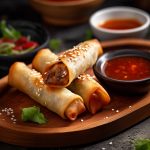
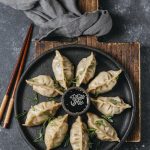
Imagine this: a perfectly fried, shatteringly crisp chicken wing, glistening and golden. A juicy, pan-seared dumpling with a lacy, brown crust. A crunchy, fresh spring roll packed with vibrant herbs. You dip it into your homemade sauce, take a bite, and… it’s just hot. All you taste is the one-dimensional, flat burn of sriracha or the raw bite of chili flakes. The sauce didn’t elevate the food; it bulldozed it.
This is the great tragedy of the homemade spicy dipping sauce. We become so obsessed with the “spicy” part that we forget the “sauce” part. A truly great spicy sauce isn’t a weapon; it’s a conversation. It’s a complex, balanced creation that should make the food it’s paired with taste more like itself, not less.
I’ve spent my career behind the line, in kitchens where the “special sauce” was the most guarded secret, the element that kept customers coming back. I can tell you that the difference between a forgettable “hot sauce mixed with mayo” and a legendary house dip has nothing to in common. The secret is in the architecture. It’s about building layers of flavor, understanding the science of heat, and respecting the role the sauce plays in the grand scheme of the meal.
If you love bold flavors, a spicy dipping sauce can transform any meal from mundane to magnificent. Today, we’re going to stop just adding heat. We’re going to learn how to build flavor. You’ll learn my professional formulas for creating sauces that are not just hot, but are also savory, tangy, sweet, and utterly addictive.
The Flavor Matrix: The Four Pillars of a Perfect Sauce
Before you reach for the hot sauce, you must understand the four pillars of flavor that every single great sauce is built on. A spicy sauce that only brings heat is a failure. A truly great sauce is a balancing act of these four elements.
- The Base (The Body): This is the foundation and texture of your sauce. It’s the vehicle that delivers all the other flavors.
- Creamy: Mayonnaise, Greek yogurt, sour cream, tahini, or even mashed avocado.
- Savory/Salty: Soy sauce, fish sauce, hoisin, or miso paste.
- Sweet/Tangy: Ketchup, BBQ sauce, or sweet chili sauce.
- The Spice (The Heat): This is the star of the show, but it needs a supporting cast. The type of heat you choose dictates the entire personality of the sauce.
- Clean, Bright Heat: Fresh chilies (like serrano or jalapeño), sriracha, or sambal oelek.
- Smoky, Deep Heat: Chipotle peppers in adobo, smoked paprika, or gochujang (Korean chili paste).
- Fruity, Complex Heat: Habanero or Scotch bonnet peppers (use with caution!), or specialty hot sauces like a mango-habanero.
- Aromatic Heat: Freshly grated horseradish or wasabi.
- The Acid (The “Pop”): This is the most critical and most often forgotten element. Acid cuts through richness, balances sweetness, and makes all the other flavors in the sauce taste brighter and more distinct. Without acid, a creamy sauce tastes flat and a sweet sauce tastes cloying.
- The Workhorses: Fresh lime juice or lemon juice.
- The Vinegars: Rice vinegar, apple cider vinegar, or white wine vinegar.
- The Funky: The pickling liquid from a jar of jalapeños or pickles.
- The “X-Factor” (The Complexity): This is the secret weapon, the layer of flavor that makes people say, “Wow, what is in this?”
- Aromatics: Finely minced garlic, shallots, or ginger.
- Umami Bombs: A dash of Worcestershire sauce, a spoonful of miso paste, or a few drops of fish sauce (I promise, it won’t taste fishy; it will just make everything taste more savory).
- Herbs: Freshly chopped cilantro, parsley, dill, or mint.
- Sweetness: A drizzle of honey, maple syrup, or a pinch of brown sugar to balance the acid and spice.
I once worked a brunch shift where we ran out of our signature spicy aioli. A new cook panicked and just mixed mayo and sriracha. It was awful—flat and harsh. I grabbed his bowl, added a big squeeze of lime juice, a minced garlic clove, a pinch of smoked paprika, and a tiny bit of sugar. We whisked it up, tasted it, and it was a completely different sauce. The acid and aromatics had turned a two-note disaster into a symphony. That is the power of the flavor matrix.
The Master Formulas: Your Blueprint for Infinite Spicy Sauces
Forget memorizing dozens of recipes. Master these three foundational formulas, and you can create hundreds of unique, irresistible spicy dipping sauces for any meal.
Formula 1: The Creamy & Spicy All-Star
This is your go-to for anything fried, grilled, or roasted. It’s the perfect spicy dipping sauce for chicken tenders, French fries, onion rings, and roasted vegetables.
The Blueprint:
- 1 cup Creamy Base (e.g., Mayonnaise, Greek Yogurt)
- 2-4 tablespoons Spice Element (e.g., Sriracha, Chipotle in Adobo)
- 1-2 tablespoons Acid (e.g., Lime Juice, Apple Cider Vinegar)
- 1-2 teaspoons “X-Factor” (e.g., Minced Garlic, Smoked Paprika, Honey)
- Salt and Pepper to taste
Example Creation: The Smoky Chipotle-Lime Crema
- In a bowl, combine 1 cup of sour cream (or Mexican crema).
- Add 2 tablespoons of finely chopped chipotle peppers in adobo sauce (start with less if you’re sensitive to heat).
- Add the juice of one whole lime (about 2 tablespoons).
- Add 1 minced garlic clove and a ½ teaspoon of smoked paprika.
- Whisk until smooth. Season with a pinch of salt. Let it sit for 10 minutes for the flavors to meld.
- Perfect for: Fish tacos, sweet potato fries, grilled corn on the cob.
Formula 2: The Sweet & Spicy Dynamo
This is your ultimate glaze and dipping sauce for wings, ribs, meatballs, or even as a spicy dipping sauce for pigs in a blanket. It balances sugar and heat for an addictive, lip-smacking result.
The Blueprint:
- ½ cup Sweet Base (e.g., Honey, Maple Syrup, Apricot Preserves)
- ¼ cup Savory/Salty Base (e.g., Soy Sauce, Ketchup)
- 2-4 tablespoons Spice Element (e.g., Gochujang, Sambal Oelek)
- 2 tablespoons Acid (e.g., Rice Vinegar, Lime Juice)
- 1 tablespoon “X-Factor” (e.g., Grated Ginger, Toasted Sesame Oil)
Example Creation: The Gochujang-Honey Glaze
- In a small saucepan, combine ½ cup of honey, ¼ cup of soy sauce, and 3 tablespoons of gochujang.
- Add 2 tablespoons of rice vinegar and 1 tablespoon of freshly grated ginger.
- Heat over low heat, whisking constantly, until the sauce is smooth and slightly thickened (do not boil).
- Remove from heat and stir in a teaspoon of toasted sesame oil.
- Perfect for: Glazing grilled chicken wings, as a dipping sauce for fried tofu or pork belly. This is the ultimate sweet and spicy dipping sauce.
Formula 3: The Savory & Zesty Umami Bomb
This is your classic Asian-style dipping sauce, perfect for dumplings, spring rolls, potstickers, or seared tuna. It’s lighter in body but massive in flavor.
The Blueprint:
- ½ cup Salty/Umami Base (e.g., Soy Sauce, Tamari)
- 3-4 tablespoons Acid (e.g., Rice Vinegar, Black Vinegar)
- 2-4 teaspoons Spice Element (e.g., Chili Oil, Fresh Chili)
- 2 teaspoons “X-Factor” (e.g., Minced Garlic, Grated Ginger, Sesame Oil)
- 1 teaspoon Sweetness (e.g., Sugar, Mirin)
Example Creation: The “Everything” Dumpling Sauce
- In a bowl, combine ½ cup of light soy sauce and 3 tablespoons of Chinese black vinegar.
- Add 2 teaspoons of a high-quality chili oil (the kind with lots of crispy chili bits at the bottom).
- Stir in 1 large minced garlic clove, 1 teaspoon of grated ginger, and 1 teaspoon of sugar (stir until dissolved).
- Finish with a ½ teaspoon of toasted sesame oil and a sprinkle of chopped scallions or cilantro.
- Perfect for: Pan-fried dumplings, steamed buns, egg rolls, or drizzling over noodles.
The Fast Food Phenomenon: Cracking the Code of Chain Sauces
It’s fascinating to see how major chains have tapped into the spicy sauce craze. When you see searches for the best spicy dipping sauce at quick service chains, it’s a testament to how well these companies have engineered addictive flavor profiles. They are masters of the flavor matrix.
Let’s deconstruct a typical “spicy chicken” sauce you might find:
- Base: Almost always mayonnaise-based for creaminess and cost-effectiveness.
- Spice: Often a cayenne pepper mash or extract, which provides consistent, measurable heat.
- Acid: Vinegar is a key ingredient, providing that tang and acting as a preservative.
- X-Factor: The “secret” is usually a complex blend of sugar, paprika (for color), onion powder, garlic powder, and other “natural flavors” that hit all the umami and sweet notes.