There’s a certain alchemy that happens when you bite into a perfect piece of fried “chicken.” It’s a multi-sensory explosion: the initial, shattering crunch of the crust, followed by the tender, juicy chew of the meat within. For years, the vegan world chased this dragon, often with disappointing results. We got mushy, breaded tofu. We got dense, dry seitan. We got things that were “good, for being vegan.”
And then, a seismic shift occurred in the form of a simple, unassuming sandwich and salad. The star of the show? A proprietary product that would become an icon: the Crispy Chicky.
I’ve spent my career in the world of plant-based food development. I’ve worked in test kitchens where we’ve spent months trying to perfect the “chew” of a single protein strand, and I’ve seen the meteoric rise of brands built on the back of a single, game-changing product. The Crispy Chicky, first made famous by the fast-casual empire By Chloe, is one of those products. It wasn’t just a menu item; it was a phenomenon. It was the “chicken” that non-vegans would cross town for, the gateway drug that convinced thousands that plant-based eating didn’t have to be a sacrifice.
But here’s the secret that most recipes and articles miss: recreating the magic of the Crispy Chicky isn’t about finding a simple copycat recipe. It’s about understanding the sophisticated food science and culinary architecture that makes it work. It’s not just breaded tempeh. It’s a masterclass in texture, flavor, and engineering. Today, we’re going to pull back the curtain and deconstruct it, so you can stop chasing a recipe and start mastering the principles.
What Is Crispy Chicky? The Anatomy of an Icon
Before we get into the “how,” let’s be clear on the “what.” The Crispy Chicky is a proprietary plant-based chicken alternative that became the cornerstone of the menu at the vegan chain By Chloe, which has since rebranded to Beatnic. So, whether you search for By Chloe Crispy Chicky or Beatnic Crispy Chicky, you’re talking about the same legendary product.
Its wild popularity wasn’t an accident. It succeeded where so many others failed because it nailed the two most critical components of fried chicken:
- The Texture of the “Meat”: It had a satisfying, fibrous chew that mimicked the texture of real chicken, rather than the uniform softness of tofu or the rubbery density of pure seitan.
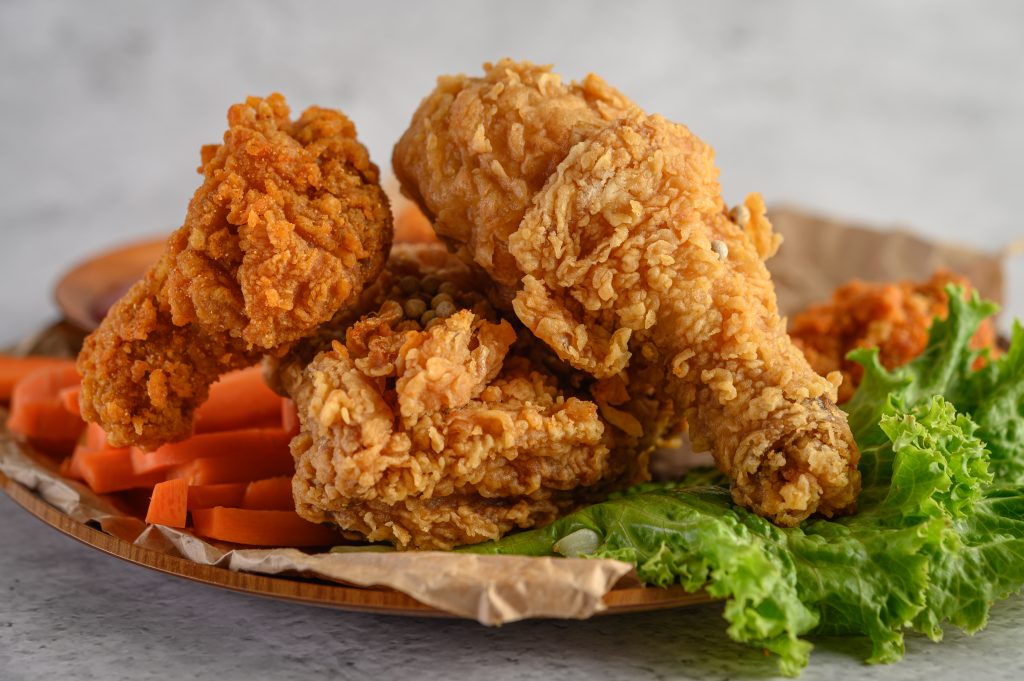
- The Integrity of the Crust: The breading was light, craggy, and shatteringly crisp, and—most importantly—it stayed crisp, even when tossed in a salad or slathered with sauce in a sandwich.
People weren’t just searching for a recipe; they were searching for a solution to a problem. They wanted to know how to create a vegan fried chicken experience that didn’t feel like a compromise. And because it was a star menu item, people also grew intensely curious about the nutrition, leading to endless searches for things like Crispy Chicky by Chloe calories and the By Chloe Crispy Chicky Salad calories. It became more than food; it became a data point in the modern wellness-conscious consumer’s lexicon.
The Food Science Teardown: Why It’s Not Just Tofu
Here is where we leave the home kitchen and enter the food science lab. The magic of a product like this lies in its protein matrix. It’s not a single ingredient; it’s a carefully engineered blend where each component plays a specific role. While the exact Beatnic recipe is a secret, any successful commercial vegan chicken analog is built on these principles.
Pillar 1: The Protein Matrix (The “Meat”)
This is the core of the product. Creating a convincing chicken-like chew requires a blend of proteins that can replicate the fibrous, layered texture of muscle.
| Protein Source | The Role It Plays | Why It’s Used |
|---|---|---|
| Soy Protein (Isolate/Concentrate) | Fibrousness. When processed (often through high-moisture extrusion), soy protein can be formed into long, aligned fibers that tear and shred in a way that is remarkably similar to cooked chicken breast. | This is the foundation for a realistic, stringy texture. It moves beyond a simple “patty” feel. |
| Vital Wheat Gluten (Seitan) | Chew & Density. Gluten provides the firm, springy, satisfying “bite.” It gives the product structure and prevents it from being soft or mushy. | This is the “meaty” backbone. It’s what makes you feel like you’re biting into something substantial. |
| Methylcellulose | The “Magic” Binder. This is a plant-derived ingredient that has a unique property: it’s a gel that sets when heated. This is called thermogelation. | This is the secret weapon. It helps bind the soy and wheat proteins together and ensures that when the patty is fried, it becomes firmer and juicier, rather than falling apart or getting mushy like a bean burger might. |
Think of it like building a composite material. You wouldn’t build a house with just one type of wood. You use different types for framing, flooring, and finishing. Similarly, a great vegan “meat” uses a blend of proteins to create a complex, multi-layered texture.
Pillar 2: The Breading System (The Crispy Armor)
The crunch of the Crispy Chicky is legendary. This isn’t achieved with a simple flour dredge. It’s a multi-stage system designed for maximum crispiness and adhesion.
- The Dry Dredge (The Primer): The seasoned “meat” patty is first tossed in a dry mix, usually seasoned flour and starch (like cornstarch or potato starch). This initial layer gives the wet batter something to cling to.
- The Wet Batter (The Glue): The patty is then dipped into a wet batter. This is often a simple mix of flour, water/plant milk, and seasonings. Its job is to act as the adhesive for the final outer coating.
- The Final Coat (The Crunch): This is the star of the show. To achieve that light, craggy, ultra-crisp texture, you need something with a larger surface area than flour. Panko breadcrumbs are the ideal choice. Their large, airy flakes create a shatteringly crisp crust that stays crunchy far longer than one made with fine breadcrumbs.
Pillar 3: The Internal Seasoning (The Flavor Engine)
A common mistake in homemade versions is only seasoning the breading. The protein matrix itself must be seasoned. This ensures the “chicken” is flavorful all the way through. The pros use a blend of savory, umami-rich ingredients:
- Nutritional Yeast: Provides a cheesy, nutty, savory flavor.
- Onion and Garlic Powder: The aromatic backbone.
- Smoked Paprika: Adds color and a subtle smoky depth.
- Mushroom Powder or White Miso: A secret weapon for boosting umami without adding overt flavor.
Recreating the Experience at Home: A “Crispy Chicky” Inspired Recipe
While we can’t replicate the exact industrial process, we can apply these principles to create an absolutely phenomenal homemade version. This recipe focuses on creating a robust protein patty and a super-crisp panko crust.
Part 1: The “Chicky” Patty (The Protein Matrix)
This recipe uses vital wheat gluten and chickpeas to create a complex, meaty chew.
- 1 can (15 oz) chickpeas, rinsed and drained well
- ¼ cup nutritional yeast
- 2 tablespoons soy sauce or tamari
- 1 tablespoon olive oil
- 2 teaspoons onion powder
- 1 teaspoon garlic powder
- 1 teaspoon smoked paprika
- ½ cup vegetable broth
- 1 ½ cups vital wheat gluten
Method:
- In a food processor, combine the chickpeas, nutritional yeast, soy sauce, oil, powders, and vegetable broth. Blend until you have a very smooth, hummus-like paste.
- Transfer the paste to a large bowl. Add the vital wheat gluten all at once.
- Mix with a sturdy spatula and then your hands until a shaggy dough forms. Knead the dough in the bowl for 2-3 minutes. It will become very firm and elastic. This develops the gluten strands, creating the “meaty” texture.
- Let the dough rest for 10 minutes. Then, divide it into 4-6 pieces and flatten each into a ½-inch thick patty.
- The Critical Step (Simmering): Bring a large pot of vegetable broth to a gentle simmer (not a rolling boil). Gently place the patties in the broth, ensuring they are submerged. Partially cover and simmer for 45-50 minutes, flipping them once halfway through. This step cooks the gluten and sets the patty’s texture.
- Carefully remove the patties and let them cool completely on a wire rack. They are now ready for breading.
Part 2: The Breading System & Frying
- Station 1 (Dry Dredge): ½ cup all-purpose flour, 2 tablespoons cornstarch, salt, and pepper.
- Station 2 (Wet Batter): 1 cup all-purpose flour whisked with 1 ¼ cups of unsweetened plant milk (like soy or oat) until it’s the consistency of thin pancake batter.
- Station 3 (Final Coat): 2 cups panko breadcrumbs.
Method:
- Working with one cooled patty at a time, dredge it thoroughly in the dry flour mix (Station 1), shaking off the excess.
- Dip it completely into the wet batter (Station 2), letting the excess drip off.
- Press it firmly into the panko breadcrumbs (Station 3), ensuring an even, thick coating on all sides.
- Frying: Heat 2-3 inches of a neutral, high-smoke-point oil (like canola or peanut) in a heavy-bottomed pot to 350°F (175°C). Fry the breaded patties for 3-4 minutes per side, until deep golden brown and crispy. Do not crowd the pan.
- Remove to a wire rack to drain. Sprinkle immediately with a little salt.
Building the Icons: Deconstructing the Salad and Sandwich
The Crispy Chicky patty is the star, but its most famous roles are in specific, well-designed dishes.
The “By Chloe” Crispy Chicky Salad
This isn’t just a salad; it’s a balanced meal. The original featured a mix of chopped romaine and kale, shiitake “bacon,” avocado, almonds, corn, and a choice of Caesar or Agave-Dijon dressing.
- To Recreate: Chop your homemade crispy patty. Serve it over a bed of kale and romaine. Add sliced avocado, toasted almonds, and either fresh or roasted corn. For the shiitake bacon, thinly slice shiitake mushrooms, toss with soy sauce and smoked paprika, and bake until crisp.
- The Calorie Question: People often search for the calories in By Chloe Crispy Chicky Salad. A key insight is that the dressing and toppings contribute significantly. A salad with a creamy Caesar dressing and avocado will naturally be higher in calories than one with a simple vinaigrette. The Beatnic Crispy Chicky calories for the patty itself are only one part of the equation. This “deconstruction” helps people understand why the numbers are what they are.
The Sandwich
The classic sandwich is a study in simplicity and contrast: the hot, crispy patty, a soft potato bun, tangy pickles, and a special sauce.
- To Recreate: Serve your hot patty on a soft bun. Add crisp dill pickle chips. For the sauce, create a simple aioli by mixing vegan mayonnaise with minced garlic, a little lemon juice, and a touch of sriracha or hot sauce.